
Jan
A Guide to Repairing Patches and Bare Spots on Your California & Arizona Sod
Maintaining a lush and vibrant lawn in the California and Arizona desert areas can be challenging due to the arid climate and water restrictions. However, with the right knowledge and care, you can revive your lawn by addressing patches and bare spots effectively. Here are some practical steps to repair and rejuvenate your lawn. Southern California and Arizona are known for their hot and dry conditions, making lawncare a unique challenge. Patches and bare spots can result from various factors, including:
- Drought Stress: Limited water availability can lead to dry and bare areas in your lawn.
- High Temperatures: Intense heat can cause grass to wither and die, creating unsightly patches.
- Poor Soil Quality: Many areas in these regions have sandy or clayey soil, which may lack essential nutrients.
- Overuse of Fertilizers: Improper use of fertilizers can contribute to patchiness and bare spots.
- Foot Traffic and Compaction: High foot traffic can compact the soil, restricting grass growth.
Repairing Patches and Bare Spots:
- Watering Strategy:
Water deeply and less frequently to encourage deep root growth.
Invest in a smart irrigation system to optimize water usage based on weather conditions.
- Choose Drought-Tolerant Grass Varieties:
Opt for grass types like Bermuda that thrive in arid climates.
- Soil Improvement:
Consider using a soil aerator to alleviate compaction issues.
- Appropriate Fertilization:
Use a slow-release, balanced fertilizer to provide essential nutrients without causing excessive growth. Follow recommended application rates to avoid fertilizer burn.
- Overseeding:
Overseed the existing lawn with drought-resistant grass seeds to fill in bare spots.
Ensure good seed-to-soil contact by raking the area lightly after seeding.
- Mowing Practices:
Set your mower blade to the recommended height for your grass type.
Avoid cutting more than one-third of the grass height at a time to prevent stress.
- Adequate Shade:
Plant shade trees strategically to provide relief from the scorching sun.
Use temporary shade structures for vulnerable areas.
- Pest and Disease Management:
Keep an eye out for pests and diseases, as weakened grass is more susceptible. Use eco-friendly pest control methods to minimize environmental impact.
Repairing patches and bare spots in your lawn in desert areas in Southern California and Arizona requires a holistic approach that considers the unique challenges posed by the arid climate. By implementing water-wise practices, choosing appropriate grass varieties, and addressing soil health, you can enjoy a resilient and green lawn year-round. Stay committed to regular maintenance, and your lawn will become a thriving oasis in the midst of the desert landscape. For more information, visit https://westcoastturf.com
Comments Off on A Guide to Repairing Patches and Bare Spots on Your California & Arizona Sod
Dec
Synthetic Turf – Drought Fix or Health and Environmental Hazard?
California is no stranger to drought, it’s a recurring feature of our climate, especially in desert areas. Arizona has been in some stage of drought since 1994(!), so drought is a long-term concept in the West. Many shifts are made for the purpose of water conservation, one of which is in landscaping. With these dry times saw a large uptick in fake lawns.
In a recent controversial move, California Governor Gavin Newsom vetoed a bill aimed at restricting the use of “forever chemicals” in synthetic lawns. The veto highlights the state’s complex stance on artificial turf, as it was a material once promoted as a water-saving solution during droughts. The vetoed bill was part of a broader effort to address health concerns associated with synthetic turf, particularly the presence of perfluoroalkyl and polyfluoroalkyl substances (PFAS). These chemicals, found in the crumb rubber base of artificial turf, have been linked to various chronic diseases. Despite growing worries about the environmental impact and health risks, manufacturers claim they are working to address concerns by exploring alternative materials. However, removing PFAS entirely has proven challenging.
The debate over synthetic turf in California reflects a shift in legislative priorities, with some cities already moving to ban artificial lawns due to environmental concerns. Researchers emphasize the potential health risks associated with PFAS, which can enter the human body through various pathways, including skin contact, inhalation, and water contamination.
Studies indicate that high temperatures can cause chemicals to leach out of the crumb rubber base, posing additional risks to human health. Synthetic turf, known for its heat-retaining properties, can reach temperatures significantly higher than living grass, making it a cause for concern. Experts suggest that real grass and plants offer a more sustainable and environmentally friendly alternative to synthetic grass. Drought-friendly landscaping options, such as warm-season grasses and native plants, provide cooling benefits and contribute to a healthier urban ecosystem.
Comments Off on Synthetic Turf – Drought Fix or Health and Environmental Hazard?Oct
Fall Overseeding For Your Arizona and California Turf
Overseeding is a rejuvenating process that can breathe new life into your grass. Fall is the perfect time for overseeding, since the soil is still warm from the summer months, and there’s usually a bit more moisture in the air. Overseeding helps fill in bare spots, improves turf density, and enhances the overall aesthetic appeal of your lawn.
Here’s a step by step guide to overseeding your grass in the fall.
1. Prepare your lawn. Start by measuring it – this is important for calculating how much seed and fertilizer you’ll need. Then mow your lawn shorter than usual for better seed-to-soil contact.
2. Choose the right seed. Select a high-quality grass seed blend that suits the dry desert climate. Consider factors like sun exposure, soil type, and foot traffic of the area when making your choice.
3. Seeding – Evenly distribute the seeds across the lawn, paying special attention to thin or bare areas, ensuring thorough coverage. Consider mixing seeds with a starter fertilizer to provide essential nutrients.
4. Watering – It’s important to keep the soil consistently moist to support seed germination, so water lightly but frequently, ensuring the soil doesn’t dry out. A light watering in the morning is ideal.
5. Maintenance – Germination can take several weeks. In this time, it’s best to avoid heavy foot traffic in the newly seeded areas. After that, resume mowing and watering as usual.
6. Fertilization – once grass has reached 2-3 inches, apply a balanced fertilizer to encourage healthy growth.
For more information visit: https://westcoastturf.com
Comments Off on Fall Overseeding For Your Arizona and California TurfOct
NFL Player Safety: the Role Grass Surfaces Play
Football is a rough contact sport, one with inherent risk for on-field injuries. While those injuries are inevitable, the extent and severity of them depend on several factors. One of those factors that is currently trending in the news is the use of grass versus artificial turf. Aaron Rodgers started and ended his season with the Jets during Week 1 of Monday Night Football with a torn Achilles tendon. So what does this have to do with grass? Well, a lot.
In terms of safety, there is a huge difference between playing on natural grass and artificial turf. Here are a few:
1. Traction – with natural grass, you get more consistent traction as well as footing. Players are less likely to slip on sod than they are on slippery turf.
2. Shock absorption – since grass is much softer and more forgiving of a surface, it provides much better shock absorption, which cuts down on injuries and concussions by absorbing the impact players’ bodies might otherwise take.
3. Lower risk of scrapes to players’ bodies – skidding into any surface can be painful, but natural grass provides a softer landing than artificial turf, as it’s much less abrasive.
4. Joint injuries – since a grass surface is much more forgiving, it causes less stress to joints, such as knees and ankles – both season-ending injuries for an NFL player
5. “Turf burn” – artificial turf reaches much higher temperatures than natural grass. Especially in the beginning of a football season in warmer regions, this can cause heat-related injuries for players, as well as discomfort in general.
Optimizing player safety is a top priority for every NFL team and the surface they play and practice on plays a larger role than most people know! West Coast Turf provides sod for many football fields, among many other sports and venues. For more information, visit our website at: westcoastturf.com
Comments Off on NFL Player Safety: the Role Grass Surfaces PlaySep
The Importance of Water in the Hotter Months When Laying your Arizona or California Sod
With the intense heat of the summer, it can be an intimidating task to lay sod. Often, the ideal time to lay sod is early to mid-fall, or in the spring. For many people though, summer is the perfect time to get it done.
Summer can be a hard time for new sod, since it’s hot and the sod can be vulnerable to drought. But with the right strategy and lots of water, you can install warm or cool season sod any time of the year. Here’s how:
- Test your soil. Your soil’s health determines the overall health of your grass and testing to make sure it will thrive is the right way to a successful lawn. It helps to balance your soil’s pH so when you apply nutrients found in fertilizers, your grass is able to absorb those. When soil’s pH is off, nutrients can’t be absorbed as effectively and fertilizer you buy may be a waste of money. Taking a soil analysis and sending it to a laboratory is an affordable way to test.
- Choose the right sod for your lawn. Does your lawn have a lot of shade? What grass colors, textures, and physical aspects do you want in your sod? These are questions to ask yourself when choosing. Of course, the climate you live in – in our case, dry desert – plays a huge part in the selection as well. Luckily, this part of the process can be made easy by consulting one of the experts at West Coast Turf.
- Measure the planting area. This will help you determine how much sod you need to order and is crucial whether you’re laying sod in the summer, fall, or spring. There are many apps and tools to calculate how much surface area you’ll need to cover and how much sod is needed.
- Kill and remove old grass. When you install new sod, it’s important that all currently existing grass and other vegetation be removed.
- Prep soil and level. This step is especially important for laying sod in the summer months. Proper site preparation makes it easier for new grass roots to penetrate deeply and evenly—this allows your sod to establish quickly during the stressful heat of the summer. Although you will still need to water your lawn a lot during the summer, deep roots will make the lawn denser and drought resistant, allowing for more efficient use of water and nutrients. A dense lawn will outcompete weeds and resists insects and disease a little better as well.
- Lay the new sod. It should remain on the pallet a very short time during summer installations as this will cause the sod to dry out. If you notice the sod is heating up on the pallets, unstack them and spray them with water.
- Water and fertilize. It is crucial in the summer months to make sure you are watering your grass adequately!
Please let us know if you have any questions or want to talk about installing new sod! Visit https://westcoastturf.com for more info.
Comments Off on The Importance of Water in the Hotter Months When Laying your Arizona or California SodJun
Essential Tips for Maintaining a Healthy Lawn While on Vacation
You look forward to getting out of town to relax on your summer vacation, but it’s important not to neglect your lawn’s health while you’re away. With a little planning and preparation, you can ensure your Arizona and California lawn stays vibrant and healthy even during your absence.
- Mowing and Trimming: Before leaving for your vacation, make sure to mow your lawn to an appropriate height. Cutting it slightly shorter than usual will help maintain its appearance for a longer period. Trim the edges to give your lawn a neat and well-maintained look.
- Watering: Proper watering is crucial for the health of your lawn. If you’re going away for a short trip (up to a week), deep watering just before leaving should be sufficient. However, for longer vacations, consider these options:
a. Automatic Sprinkler System: Install an automatic sprinkler system or set up timers to ensure your lawn receives adequate water. Adjust the settings based on your lawn’s needs and local watering regulations.
b. Seek Help from a Neighbor or Friend: Request a trusted neighbor or friend to water your lawn while you’re away. Provide them with clear instructions on when and how much to water and show them how to operate your irrigation system if necessary.
c. Slow-Release Watering Methods: Consider using slow-release watering methods, such as drip irrigation or soaker hoses, which gradually provide water to your lawn over an extended period. These methods can minimize water wastage and keep your lawn hydrated.
- Weed Control: Weeds can quickly invade your lawn and compete with grass for nutrients and sunlight. Prior to your vacation, apply a pre-emergent herbicide to prevent weed growth. Alternatively, hire a professional lawn care service to manage weed control in your absence.
- Fertilization: Proper fertilization promotes healthy grass growth and resilience. Apply a slow-release fertilizer a few days before your departure to ensure your lawn receives essential nutrients throughout your vacation. This will help maintain its health and vigor.
- Arrange for Lawn Care Services: Consider hiring professional lawn care services to take care of your lawn while you’re away. They can handle tasks such as mowing, watering, fertilizing, and weed control. Discuss your requirements and schedule with the service provider to ensure your lawn receives the necessary attention.
- Mulch Beds and Landscaping: If you have mulch beds or other landscaping features, ensure they are well-maintained before leaving. Mulching helps retain moisture and suppress weed growth, so replenish mulch layers if necessary. Trim any overhanging branches that could potentially shade or damage your lawn.
- Secure Outdoor Items: Before leaving, secure any outdoor furniture, toys, or equipment that may obstruct or damage your lawn during strong winds or storms. Store them safely or anchor them down to prevent them from causing damage.
By following these tips and making suitable arrangements, you can maintain a healthy lawn even while you’re on vacation. Planning ahead and enlisting the help of professionals or trusted neighbors will ensure that your lawn stays vibrant, weed-free, and well-hydrated during your time away. Return from your vacation to a lush, beautiful lawn that enhances the overall appeal of your home.
Comments Off on Essential Tips for Maintaining a Healthy Lawn While on VacationMay
WEST COAST TURF: THE OFFICIAL SOD SUPPLIER OF THE ROSE BOWL STADIUM
After more than three decades of supplying natural grass to sports facilities, landscapers, golf courses, cities, parks, and homeowners, West Coast Turf has become the Official Sod Supplier of the Rose Bowl Stadium.
“Our first job at the Rose Bowl was providing some sod for Super Bowl XVII over 30 years ago,” said West Coast Turf’s marketing director, Danielle Scardino. “After establishing a relationship and trust with the outcome of that job, we haven’t looked back. Our company has been involved in every Rose Bowl Game® and has provided almost every field at the stadium since. We’ve worked closely with the Turf Superintendent to ensure they are getting exactly what they want and expect on the field—they are very ‘hands on.’ The result has been pretty much perfection.”
The Rose Bowl Stadium is sodded with grass grown in the Coachella Valley near West Coast Turf’s Palm Desert, CA, headquarters.
“The Rose Bowl field is an iconic American sports field, and one of the greatest sports venues in the world. We are honored to become official partners,” said Scardino.
About West Coast Turf
West Coast Turf is a full-service sod company providing natural grass, field resurfacing, stolonization and hydroseeding services. Their main office is in Palm Desert, CA, and have additional offices in Scottsdale, AZ; Livingston, CA; Patterson, CA; Winchester, CA; and San Marcos, CA. West Coast Turf grows more than 30 varieties of grass and is the West’s largest grower of drought tolerant warm season turfgrasses.
Other clients include:
- Los Angeles Dodgers, Los Angeles Angels of Anaheim, Oakland A’s, and San Francisco Giants in Major League Baseball.
- San Francisco 49ers of the National Football League.
- The National Football League for nine Super Bowls.
- The San Jose Earthquakes, LA Galaxy, Austin FC, LAFC and Phoenix Rising FC soccer clubs.
- The Los Angeles Coliseum, Stanford Stadium and Sun Devil Stadium college football fields.
For more information about West Coast Turf, visit www.westcoastturf.com.
To join social media conversation, visit West Coast Turf on Facebook, Instagram, and Twitter @WestCoastTurf.
About the Rose Bowl Stadium
The Rose Bowl Stadium is a National Historic Landmark built in 1922 and known around the world. The Rose Bowl has earned its world-class reputation by hosting five NFL Super Bowl games, the 1984 Olympic Soccer matches, the 1994 Men’s World Cup, the 1999 Women’s World Cup, four BCS National College Football Championship Games and the College Football Playoff Semifinal Game.
The Rose Bowl is the proud home of the annual Rose Bowl Game®, UCLA Bruins Football, world-class concerts, International and Premier League soccer matches, music festivals, community events, AmericaFest 4th of July Celebration, and the World’s Largest Flea Market.
Comments Off on WEST COAST TURF: THE OFFICIAL SOD SUPPLIER OF THE ROSE BOWL STADIUMMay
WEST COAST TURF LAUNCHES “READY PLAY GRASS®”
WEST COAST TURF LAUNCHES “READY PLAY GRASS®”
West Coast Turf’s Sod Grown on Plastic is Available for Instant Use
Palm Desert, CA……West Coast Turf is introducing their new line of Ready Play Grass® natural grass sod grown on plastic for instant use.
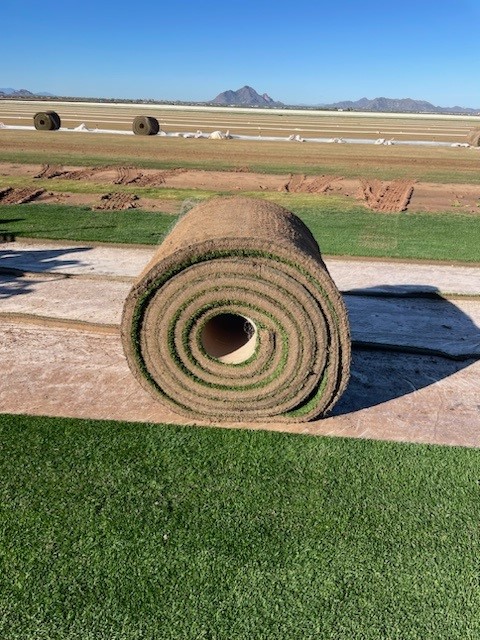
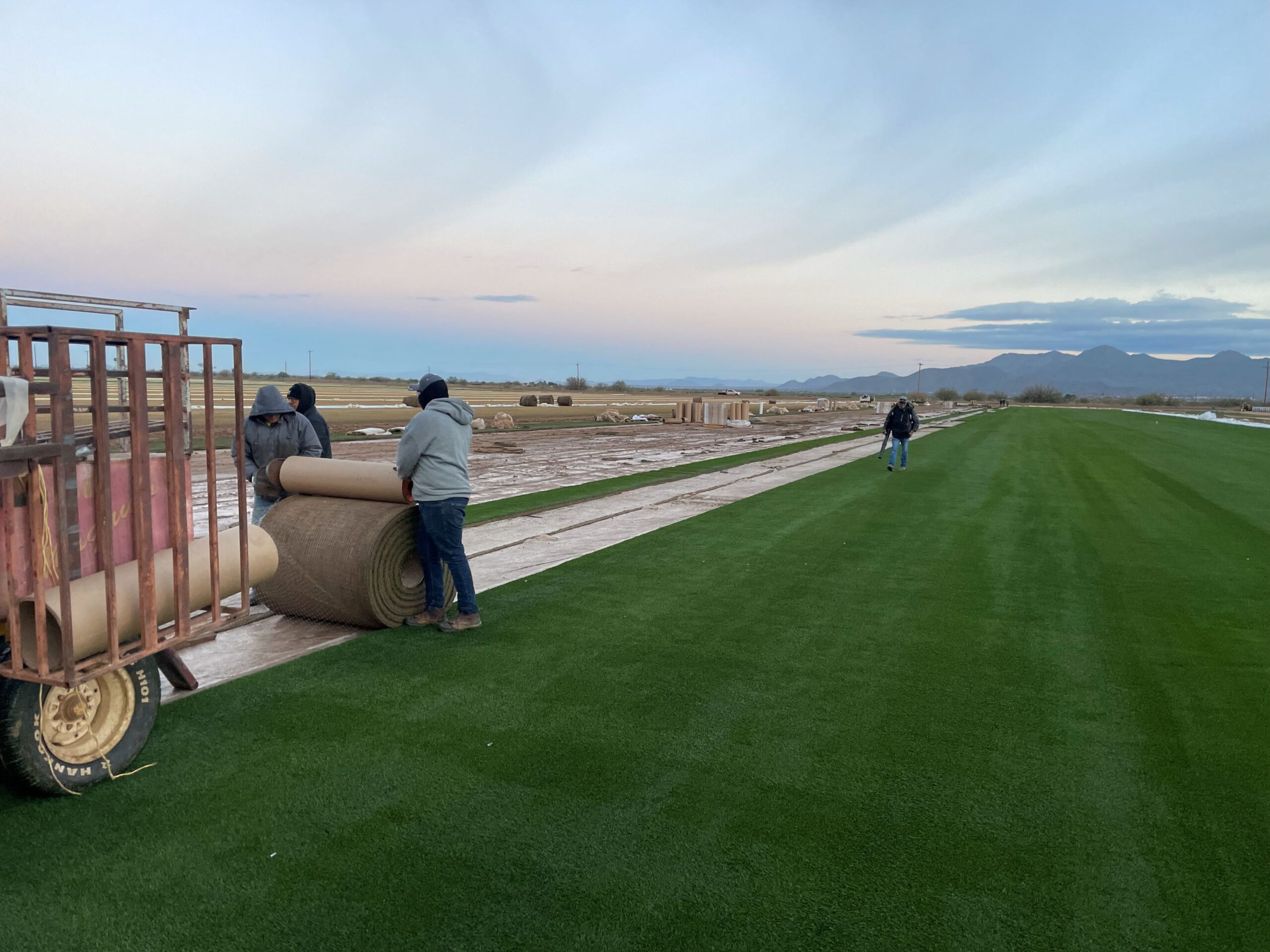

“We have been growing sod on plastic for several years,” said West Coast Turf’s Arizona operations general manager, Jay Danek. “We are confident in the product we’ve developed over that time and wanted to bring Ready Play Grass to a bigger market. There is a need for a grass surface that can be used right away.”
“The reason its grown on plastic is for the strength of the plant itself,” Danek explains. “Similar to when you buy a plant at a nursery where the roots are bound in a ball since they can’t go through the plastic. It makes the strength of the sod three to four times of what a normal sod field is by becoming root-bound. The intertwining roots develop a tight mat of rhizomes to firm up the surface, giving it a sturdy base of strength. It weighs about 18 pounds per square foot and can be grown up to 2 inches thick. After the sod is put down, it is not going anywhere. You can play on it instantly. Because we don’t cut the roots, there is no shock factor to the grass and it is able to start rooting immediately—although it doesn’t have to be rooted for use.”
“We start off with a sod product that has been through its growing cycle of anywhere from 8 to 12 months, and then another 6 to 15 months growing on the plastic. We grow it with sod strength and weight in mind so there is no movement. Our proprietary harvest technique allows for sharp and tight seams so the rolls mesh together perfectly,” Danek said.
Ready Play Grass is ideal for sports fields, golf course tees and driving ranges, and on top of artificial turf fields when a temporary natural grass field is required.
About West Coast Turf
West Coast Turf is a full-service sod company providing natural grass, field resurfacing, stolonization and hydroseeding services. Their main office is in Palm Desert, CA, and have additional offices in Scottsdale, AZ; Livingston, CA; Patterson, CA; Winchester, CA; and San Marcos, CA. West Coast Turf grows more than 30 varieties of grass, and is the West’s largest grower of drought tolerant warm season turfgrasses.
Clients include:
- Los Angeles Dodgers, Los Angeles Angels of Anaheim, Oakland A’s, and San Francisco Giants in Major League Baseball.
- San Francisco 49ers of the National Football League.
- The National Football League for nine Super Bowls.
- The San Jose Earthquakes, LA Galaxy, LAFC and Phoenix Rising FC soccer clubs.
- The Los Angeles Coliseum, Stanford Stadium and Sun Devil Stadium college football fields.
- The Riviera, Pebble Beach Golf Links, Torrey Pines, Valley Club of Montecito, Quarry at La Quinta, Vintage Club, Lahontan, The Estancia Club, TPC Scottsdale, and The Summit Club golf clubs.
For more information about West Coast Turf, visit www.westcoastturf.com.
To join social media conversation, visit West Coast Turf on Facebook, Instagram, and Twitter @WestCoastTurf.
Comments Off on WEST COAST TURF LAUNCHES “READY PLAY GRASS®”Apr
Summer California & Arizona Lawn Care
With summer just around the corner, it’s time to start thinking about getting your grass ready for the hot, dry desert weather. Bermudagrass and paspalum are popular choices for homeowners in these desert regions because of their ability to tolerate the extreme heat and drought conditions. Due to those extreme conditions, your grass needs proper care and attention to thrive during the summer season (which lasts a lot longer here than most places!).
Here are some tips to help you get you summer-ready:
- Watering: As the temperatures rise, your sod will require more water to stay healthy. However, it’s important to avoid over-watering, which can lead to root rot and other issues. A good rule of thumb is to water deeply once or twice a week, depending on the weather conditions.
- Fertilizing: Fertilizing your desert grass during the summer months can help it stay healthy and green. However, it’s important to use a fertilizer that is specifically formulated for desert grasses. This type of fertilizer is designed to provide the nutrients your grass needs to thrive in the hot and dry conditions of the desert.
- Mowing: During the summer months, you should raise the blade on your lawnmower to a higher setting to help your desert grass retain moisture. It’s also important to avoid cutting your grass too short, as this can stress the plant and make it more susceptible to disease and pests.
- Weeding: Weeds can compete with your desert grass for water and nutrients, so it’s important to keep your lawn weed-free. You can use a pre-emergent herbicide to prevent weeds from germinating, or you can manually pull them out as soon as you spot them.
- Aeration: Aeration can help improve the health of your desert grass by allowing air, water, and nutrients to penetrate the soil. You can use a garden fork or a lawn aerator to create small holes in the soil, which will help improve drainage and promote root growth.
- Pest control: During the summer months, your desert grass may be susceptible to pests such as aphids, mites, and grasshoppers. You can use natural pest control methods such as neem oil or insecticidal soap to keep these pests at bay.
Getting your desert grass summer ready requires proper care and attention. By following these tips, you can help your grass stay healthy and green during the hot and dry summer months. With a little bit of effort, you can enjoy a beautiful and lush lawn all season long! For more information visit our website: https://www.westcoastturf.com/
Comments Off on Summer California & Arizona Lawn CareFeb
West Coast Turf and Super Bowl LVII
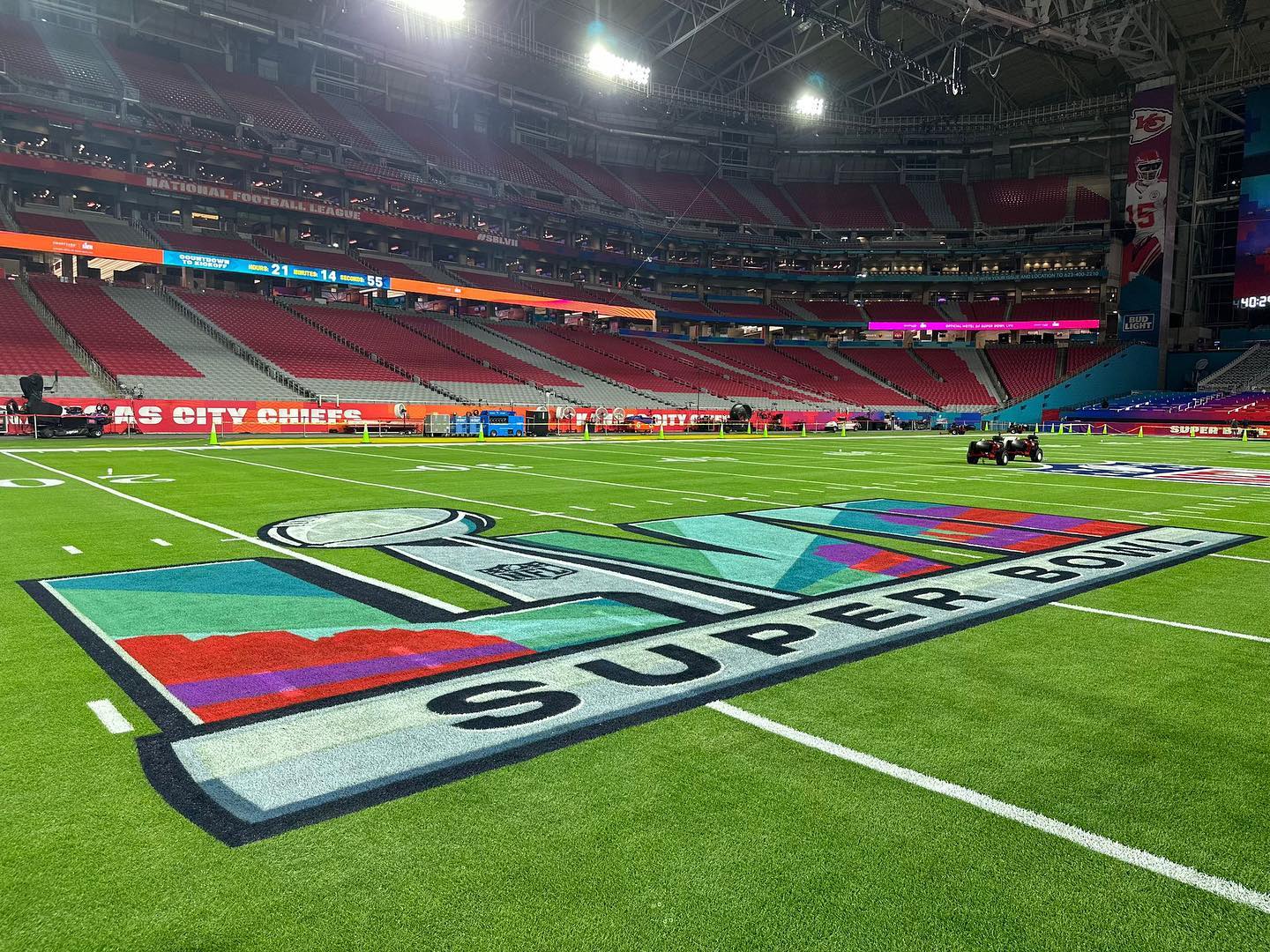 The excitement surrounding the Super Bowl each year centers around the two teams playing each other. We know where the game is being played, but not always what exactly they’re playing on. West Coast Turf is honored to provide the turf for our 9th time, this year at Super Bowl LVII at State Farm Stadium in Glendale, Arizona. The turf the teams play on is just as important to the game as whether the kicker gets the ball between the uprights and over the crossbar or biffs it and it goes wide right. Why? Let us tell you the part turf plays.
Imagine Travis Kelce sliding past the defense into touchdown range. But his foot doesn’t get a good enough grip, there’s loose dirt and not healthy, lush grass. He loses his balance, doesn’t get the touchdown. Or worse, he twists his ankle and is out for the rest of the game. This is when you realize how crucial a roll the right turf plays in the Big Game.
When the Super Bowl is played on natural grass, the NFL replaces the field. The practice started after Super Bowl XXVII at the Rose Bowl (Cowboys 52, Bills 17 — the Leon Lett game). Pasadena had been soaked with 16 inches of rain that January — nearly four times the average — and even with tarping, the NFL had to patch ruined pieces of the field. After that, the NFL started replacing the turf with sod grown especially for the game. That leaves just four or five weeks to tear out the old turf and install the new turf. There’s no grow-in time and it has to be ready to go. West Coast Turf holds the distinction of being unrivaled when it comes to growing Super Bowl quality grass.
A football field takes up about an acre and a third of grass, or about 58,000 square feet. Including extra turf for sideline areas, and a little set aside for patches on game day, West Coast Turf harvested 75,000 square feet for the Super Bowl V field at Levi’s Stadium. On moving day, workers cut it into 40-by-3 1/2-foot strips. They rolled up each strip and ended up with 536 rolls, each one weighing 2,500 pounds. They loaded those onto 24 trucks and took them to Levi’s. The turf was off the ground for about four hours before being installed at the stadium. Special machines cut it and roll it up and lay it back down, meshing the pieces together.
So when you’re watching the big game on Sunday, if you don’t notice the turf that means we’ve done our job and all is working as it’s supposed to. Whether you’re rooting for the Eagles or the Chiefs, let’s all root for the turf. Visit our website for more information: https://www.westcoastturf.com/
Comments Off on West Coast Turf and Super Bowl LVII

