
Apr
New Sod Care 101: What to Do in the First 30 Days for Your Arizona and California Lawn
New Sod Care 101: What to Do in the First 30 Days
Installing new sod is one of the fastest ways to achieve a lush, green lawn but what you do in the first 30 days makes all the difference. This critical establishment period is when your sod develops strong roots and adapts to its new environment. Whether you’re installing California and Arizona sod in the peak of summer or during a milder season, following the right steps ensures long-term success.
Week 1: Establishing Roots Starts with Water
The first week is all about consistent moisture. Your new sod should be kept damp at all times—never dry. Water immediately after installation, ensuring moisture penetrates the soil beneath the sod.
For California and Arizona sod, this often means watering 2–3 times per day for shorter durations, especially in warmer weather. Early morning, midday, and early evening watering cycles help prevent the sod from drying out under intense sun.
Pro tip: Lift a corner of the sod if the soil underneath is moist, you’re on the right track.
Week 2: Encourage Root Growth
By the second week, your sod should begin to anchor into the soil. At this stage, you can gradually reduce watering frequency while increasing the depth of each session.
Shift to watering once daily, making sure the water soaks deeper into the soil. This encourages roots to grow downward rather than staying shallow.
You can test progress by gently tugging on the sod if there’s resistance, roots are establishing successfully.
Week 3: First Mow & Maintenance
Around week three, your lawn should be ready for its first mow but only if the sod is firmly rooted.
Set your mower blades high and never remove more than one-third of the grass height. Taller blades help shade the soil and protect young roots, especially in hot California and Arizona climates.
Continue watering deeply every other day, adjusting based on weather conditions.
Week 4: Transition to a Regular Routine
By the fourth week, your sod should be well-established and ready to transition into a normal lawn care routine.
At this point:
- Water 2–3 times per week, deeply and less frequently
- Begin a light fertilization program with a balanced, slow-release fertilizer
- Resume normal mowing schedules while maintaining proper height
Keep an eye on your lawn and adjust care based on temperature and usage.
Set Your Lawn Up for Long-Term Success
The first 30 days are the foundation for everything that follows. Proper watering, careful mowing, and patience are key to developing a lawn that’s not just green but strong and resilient.
Choosing high-quality turf also plays a major role. West Coast Turf offers premium California and Arizona sod, including innovative solutions designed for durability, faster establishment, and superior performance even in challenging climates.
Treat your new sod right from day one, and you’ll enjoy a beautiful, thriving lawn for years to come. For more information visit westcoastturf.com
Comments Off on New Sod Care 101: What to Do in the First 30 Days for Your Arizona and California LawnApr
Summer Lawn Survival Guide: Keeping California and Arizona Sod Green in Extreme Heat
Summer Lawn Survival Guide: Keeping California and Arizona Sod Green in Extreme Heat
When summer hits California and Arizona, your lawn faces its toughest test. Triple-digit temperatures, intense sun, and dry conditions can quickly turn even the healthiest turf into a stressed, brown landscape. But with the right strategy, your lawn can not only survive—it can thrive. Here’s your go-to guide for keeping your California and Arizona sod green and resilient all summer long.
- Water Smart, Not More
One of the biggest misconceptions about summer lawn care is that more water equals a healthier lawn. In reality, overwatering can be just as harmful as underwatering. The key is deep, infrequent watering. This encourages roots to grow deeper into the soil, making your turf more drought-resistant.
In extreme heat, aim to water your lawn early in the morning—typically between 4 a.m. and 8 a.m.—to reduce evaporation. Most California and Arizona sod varieties, especially warm-season grasses like Bermuda, thrive with about 1 to 1.5 inches of water per week, depending on soil type and weather conditions.
- Raise Your Mowing Height
During summer, resist the urge to cut your grass too short. Taller grass blades provide natural shade for the soil, helping retain moisture and protect roots from heat stress.
For most warm-season grasses, raising your mowing height by about 25% during peak heat can make a noticeable difference. It also reduces the risk of scalping, which can weaken your lawn and make it more susceptible to disease.
- Feed Carefully
Fertilizing in the summer requires a light touch. While your lawn still needs nutrients, excessive fertilization during extreme heat can cause more harm than good.
Use a slow-release fertilizer designed for warm-season grasses and apply it sparingly. This provides steady nutrients without overwhelming your turf during stressful conditions. Always follow recommended application rates and avoid fertilizing during heatwaves.
- Watch for Signs of Stress
Your lawn will tell you when it’s struggling. Look for signs like a bluish-gray tint, footprints that linger, or wilting blades. These are indicators that your lawn needs water.
Catching these signs early allows you to adjust your watering schedule before permanent damage occurs. Healthy California and Arizona sod is resilient—but it still needs attentive care during peak summer months.
- Reduce Traffic and Compaction
Foot traffic can take a toll on heat-stressed lawns. Try to limit heavy use during the hottest parts of the day, and rotate activity areas if possible.
Compacted soil restricts root growth and reduces water absorption. If your lawn sees frequent use, consider periodic aeration—ideally before or after the peak summer season—to keep soil loose and healthy.
- Choose the Right Turf from the Start
Not all grass is created equal—especially in desert climates. High-quality sod grown specifically for California and Arizona conditions makes a significant difference in summer performance.
At West Coast Turf, innovative solutions like Tahoma 31, TifTuf and Coachella Bermuda are designed to withstand extreme conditions. With a stronger root system and superior durability, it’s engineered to handle both heat and heavy use—making it an ideal choice for homeowners and sports fields alike.
Stay Green All Summer Long
Maintaining a lush lawn in California and Arizona’s summer heat doesn’t have to be a losing battle. With smart watering, proper mowing, and the right turf, your lawn can remain vibrant even in the harshest conditions.
Invest in proactive care now, and you’ll enjoy a greener, healthier lawn all season—and beyond. For more information visit westcoastturf.com
Comments Off on Summer Lawn Survival Guide: Keeping California and Arizona Sod Green in Extreme Heat
Apr
Improved Bermudagrasses for Your California and Arizona Climates
 Picture this, you’re sitting around the campfire enjoying a beverage with friends and the conversation turns to your lawn, not you new 85” TV. You knew this was coming, your friends walked up on your tightly mowed lawn and each one of them bent down to see if it was real. “How is it possible that your lawn looks like this?” With a coy smile and a little white lie, you say I always wanted to be a Golf Course Superintendent, I went down quite the rabbit hole of turf management articles.
“So, what’s the key to a good lawn in the desert?” The answer is clearly two-fold. One, variety selection, and two, you have read enough to be dangerous. It’s unlikely that after reading a few articles you’re on the GC Supers level of turf knowledge, but with the right variety and information you could have the nicest lawn in the neighborhood.
Now that I have your attention let’s be serious for a minute. Would you buy a TV with 1960’s technology? You know, one of those 32” TV’s that weigh 500 pounds, doesn’t even have a remote and the color looks like that of a Commodore 64 computer. I dated myself with that reference, but you got the idea. Technology advances every day inelectronics, and it also advances in the turfgrass world. There are turf breeders and researchers all over the world trying to develop grass that uses less water, are genetically resistant to disease and insects, have the darkest green color, are heat/cold and drought tolerant, and can be maintained at a variety of heights. Now look outside your window at your lawn. Are you using 1960 technology or is your lawn on par with your new 8k HD TV. Don’t get me wrong, some of the greatest grasses ever bred were developed in the 60’s and are still used in golf courses today but that doesn’t mean they are the best choice. A full grass conversion isn’t always top of mind for homeowners, although it should be when you start thinking about ways to conserve water. Turfgrass research and development is not a short process. Breeders are in the labs and fields crossing varieties, looking for positive attributes, failing more often than succeeding, and watching grass for years before even discussing them with sod producers. After developing new varieties, they are sent to sod producers to grow their own test plots and analyze them for their needs. As a sod producer I often analyze 10 different grasses each year and while I find a lot of great attributes, I don’t always find the right attributes for us. What is great in Georgia, may not be great in Arizona and California. If we decide a particular grass is going to be one we would like to produce, we take the next step of securing a sod licensing agreement and start planting a field. This is not done on a whim. We generally have been looking at these grasses for a few years so by the time it hits our field many of these varieties have been in trials for 10 years or more. I bring this up because we often hear people say I’m nervous to try a grass that might not work in Arizona/California. I can tell you with certainty that if our farm produces the grass, it has been tested extensively and is right for the climate. Okay, enough analogies about TV’s and turfgrass. I want to talk about grasses you should be looking at now. The standbys are still very good, but there are new ones that are better.
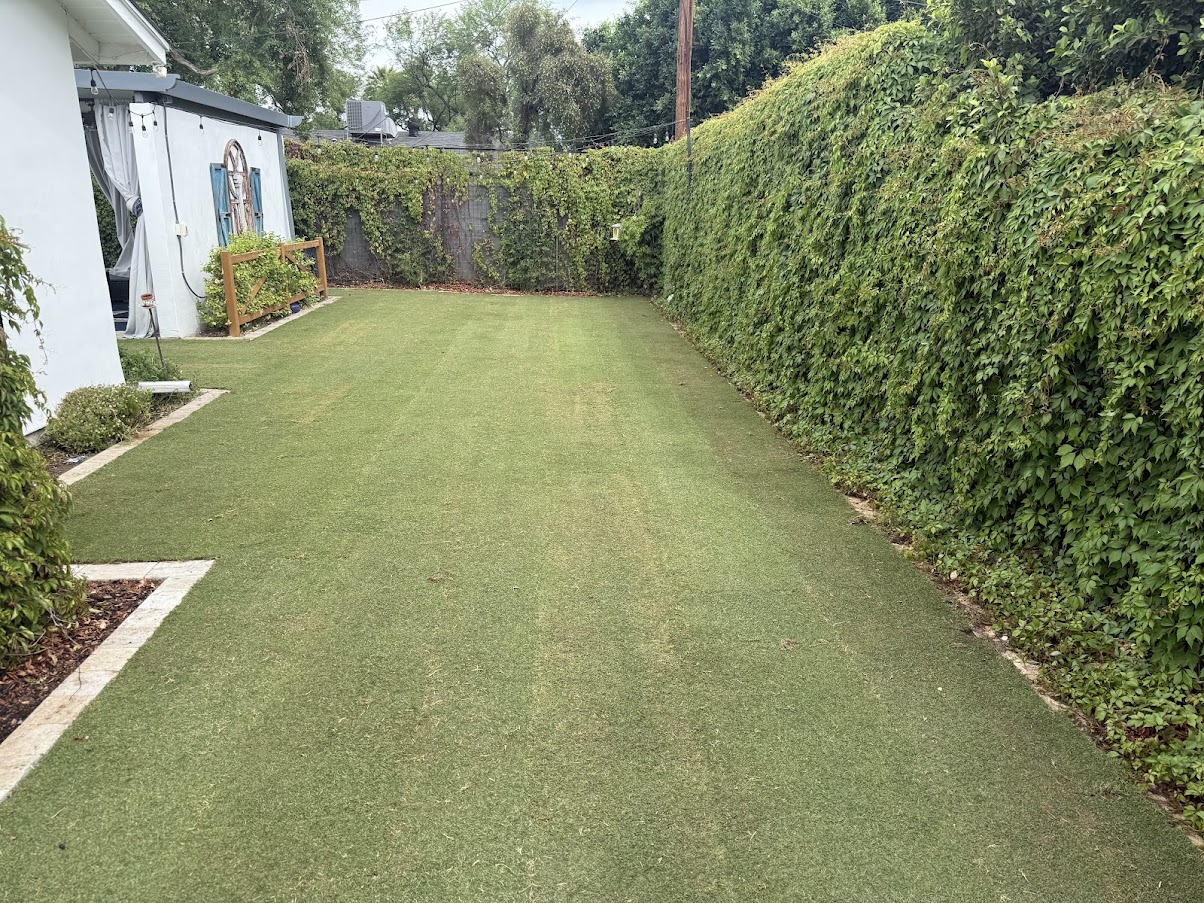
 Starting with the newest variety out of UC Riverside, developed by Dr. Baird, is Coachella Bermudagrass. I want to start with the obvious, it was developed in the desert region of California. Most of the grass produced today comes from the south or east coast so having a west coast variety is a big step. Since it was developed in California you know that water conservation is one of the top characteristics he was looking at when breeding. Coachella Bermudagrass uses 15-25% less water than traditional bermudagrasses like Tifway 419 or Midiron. If you have a cool season lawn such as Tall Fescue it uses 40% less water. As cities reduce water allotments and drought continues, it’s important to use a grass that can survive long periods of lowwater use. What is another way to reduce water usage? How about not overseeding in the fall? Coachella provides excellent winter color retention. While it won’t stay green year-round in all areas, it does significantly close the gap. This past winter it did not go fully dormant as temperatures stayed mild and the color was fantastic. This was not the case for the older varieties as they quickly lost color as we dropped into the 50’s at night. Coachella has a dark blue green color, fine leaf blade making it ideal for golf courses, athletic fields, landscaping, and home lawns. It can be maintained from .300 to over 2 inches. Coachella Bermudagrass has recently been used at The Farm’s Golf Course in Rancho Sante Fe, and at Big Canyon Country Club in Newport Beach.
Download the Coachella spec sheet here: CoachellaBermuda.pdf
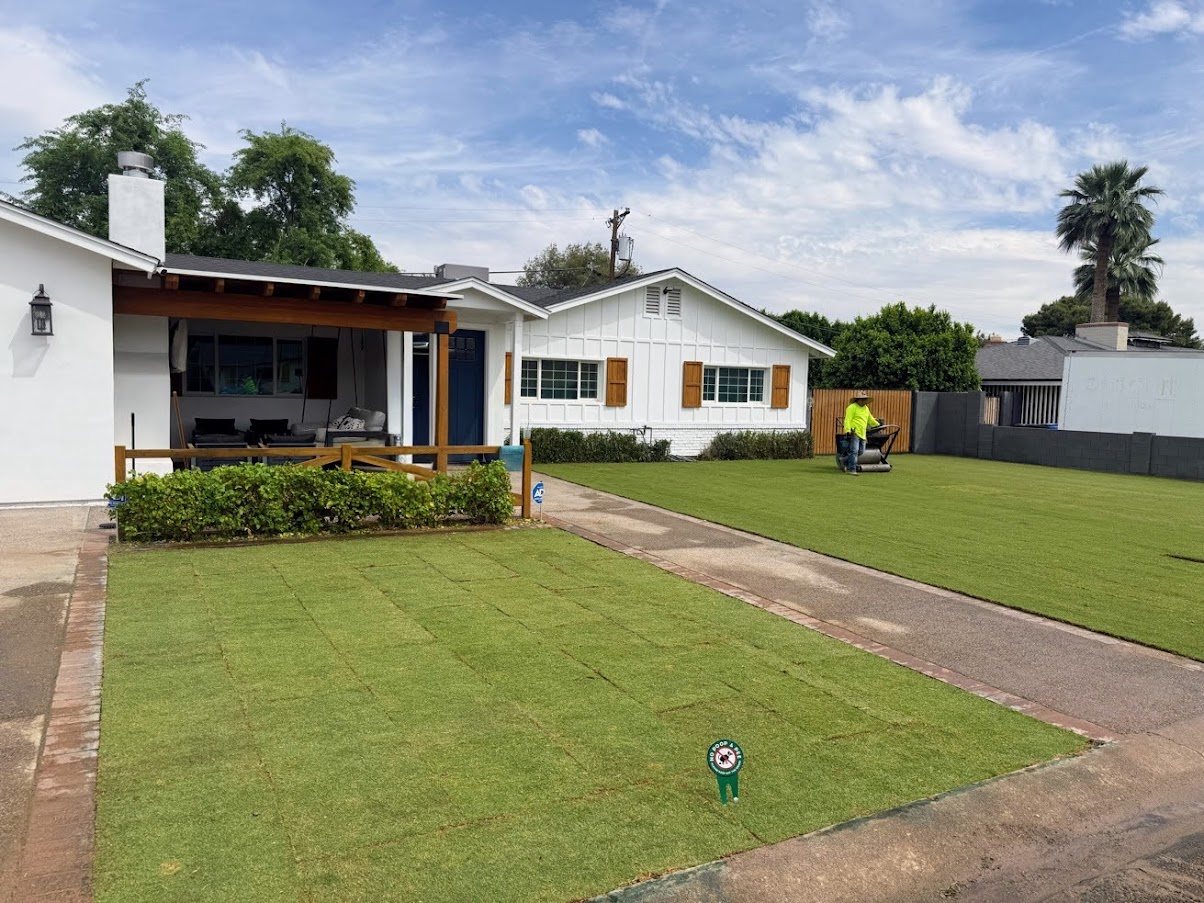
The second grass we will look at is Tahoma 31. Tahoma 31 was developed by Oklahoma State University, and it gets its name from the Native American, Tahoma, which means frozen water. It has the best cold tolerance of any grass on the market allowing it to grow anywhere from Chicago to Phoenix. Tahoma is second is none when it comes to providing a pristine playing surface, golf course fairway or home lawn. With its dark green color, fine leaf texture, and wide range of mowing heights from .125 inches to 2 inches it is one of the best grasses on the market. Similar to Coachella and Tiftuf that we will discuss later, it uses 20% less water than traditional Bermudagrasses. The deep root system, aversion to drought, pest and disease resistance you will find that it can be used in virtually any turfgrass situation. Tahoma is one of the best bermudagrasses for minimal shade but does prefer full sun. Tahoma has been a favorite of professional athletic fields and golf courses for the last few years, and we will continue to see it used more in the future. You can find Tahoma 31 at the City of Scottsdale civic center and sports complex, Dodger Stadium, Salt River Fields, Camelback Ranch, and Desert Mountain Golf Club.
Download the Tahoma 31 spec sheet here: Tahoma 31 Bermuda (1).pdf
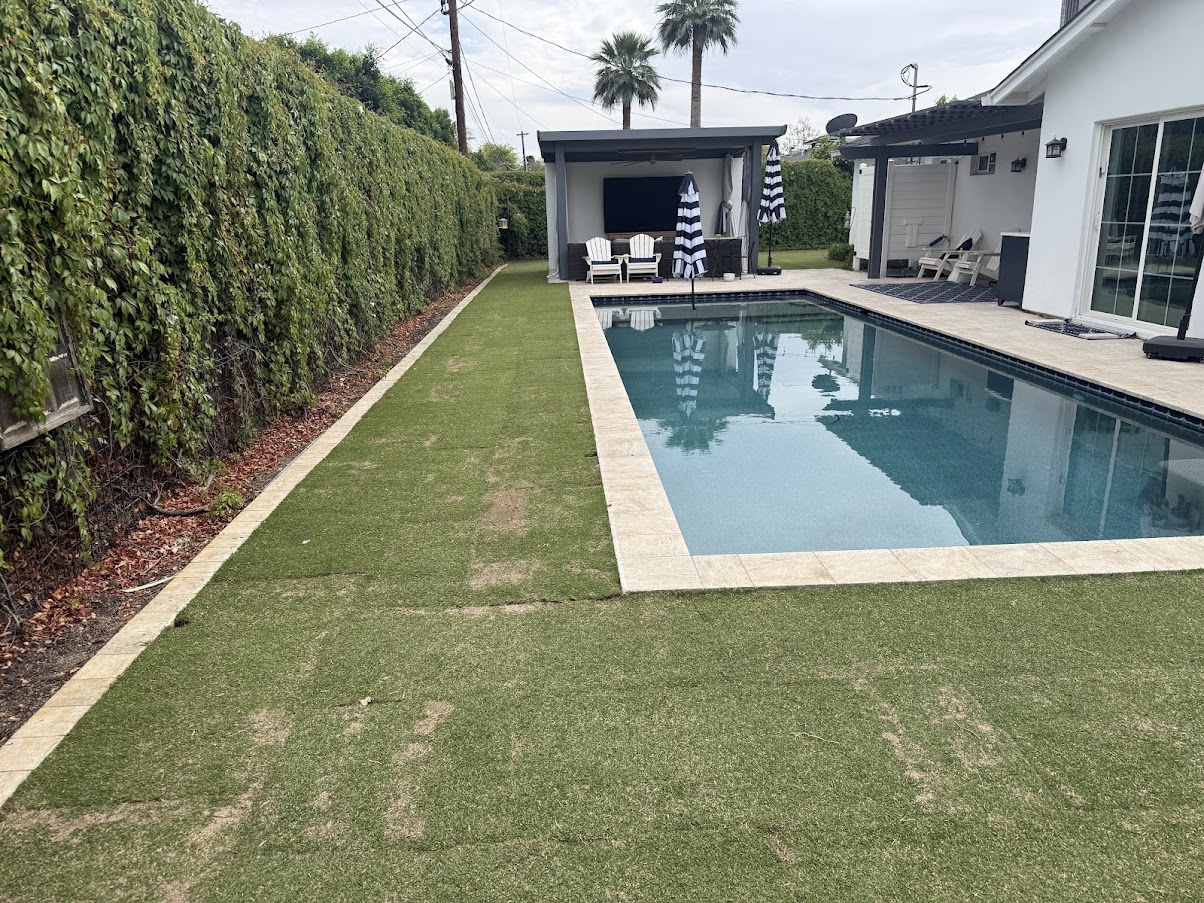 Tiftuf bermudagrass was developed out of the University of Georgia turfgrass with water savings in mind. It was selected for superior drought and wear tolerance with turfgrass quality front of mind. Tiftuf is part of the smart drop certified water savings program and has consistently been shown to use 15-25% less water than Tifway 419 or Midiron. The fine leaf texture and dark green leaf blade are just a couple of the other reasons professionals have chosen to use Tiftuf in new jobs. With its superior late fall color this is another grass that you could forgo overseeding with and reduce the dormancy period to just 2-3 months. This grass tolerates a mowing range between .500 and 2” making it ideal for reel or rotary mowers.
Download the Tiftuf spec sheet here: TifTuf (1).pdf
There is nothing quite like that feeling of watching every person that walks around the neighborhood bend down to touch your lawn to see if it’s real. Now that you have the perfect lawn, all that’s left to do is go shopping for those all white New Balance and watch your friends get green with envy.
Comments Off on Improved Bermudagrasses for Your California and Arizona Climates


