
Jun
Red, White & Green: Celebrate a Water-Wise Fourth of July with a Healthy Natural Lawn
The Fourth of July is all about celebrating the great outdoors. Whether you’re hosting a backyard barbecue, playing lawn games with family, or watching fireworks with friends, your lawn often becomes the centerpiece of the holiday. At West Coast Turf, we believe you can enjoy a beautiful, natural grass lawn while still being mindful of water conservation during the summer months.
With the right turfgrass and smart lawn care practices, homeowners can maintain a lush, green landscape that supports both outdoor living and responsible water use.
Choose the Right Grass for Your Climate
Not all grass varieties are created equal when it comes to water efficiency. Warm-season grasses, such as Bermuda and other drought-tolerant varieties commonly used throughout California and the Southwest, require less water than many traditional cool-season grasses while still providing excellent durability and color.
By selecting the right sod for your region, you can enjoy a beautiful lawn that performs well even during the hottest months of the year.
Water Smarter, Not More
One of the best ways to conserve water is to water deeply and less frequently. Deep watering encourages roots to grow further into the soil, helping grass become more resilient during periods of heat and drought.
Consider watering during the early morning hours when temperatures are cooler and evaporation rates are lower. A properly programmed irrigation system can make a significant difference in both lawn health and water savings.
Keep Your Lawn Healthy Through Summer Heat
A healthy lawn naturally uses water more efficiently than a stressed lawn. Regular mowing at the appropriate height, proper fertilization, and routine maintenance help grass develop strong roots and maintain its natural color throughout the summer.
During the weeks leading up to your Fourth of July celebration, simple maintenance practices can help ensure your lawn is ready to handle increased foot traffic from guests, kids, and pets.
Create the Perfect Setting for Holiday Gatherings
Few things compare to the feel of natural grass under your feet during a summer celebration. A well-maintained lawn provides a comfortable surface for backyard games, outdoor dining, and family activities.
Whether you’re setting up cornhole boards, a picnic area, or a space for children to play, healthy sod creates a welcoming environment that enhances every outdoor gathering.
Support Sustainable Landscaping
Water conservation and beautiful landscapes can go hand in hand. By choosing drought-tolerant sod varieties and following responsible watering practices, homeowners can reduce water use while continuing to enjoy the benefits of a natural lawn.
Healthy grass also provides environmental benefits, including reducing soil erosion, filtering rainwater, cooling surrounding areas, and improving the overall appearance of your property.
Celebrate Responsibly This Fourth of July
As we celebrate Independence Day, it’s also an opportunity to appreciate the natural resources that support our communities. A healthy, well-maintained lawn can be both beautiful and water-conscious when managed properly.
This Fourth of July, enjoy the beauty of real grass, gather with family and friends, and take pride in a landscape that supports both outdoor enjoyment and responsible stewardship.
From all of us at West Coast Turf, we wish you a safe, memorable, and green Fourth of July. For more information visit westcoastturf.com
No CommentApr
Improved Bermudagrasses for Your California and Arizona Climates
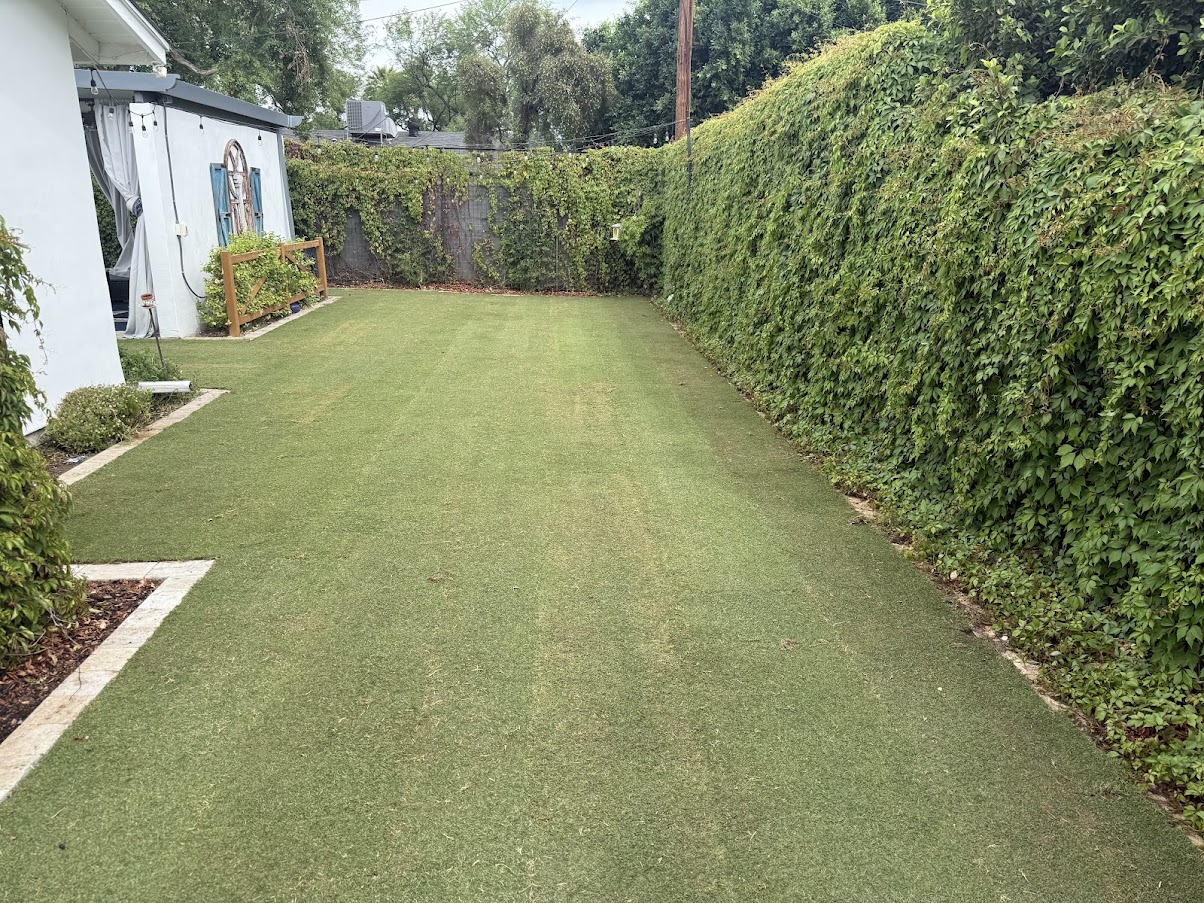 Picture this, you’re sitting around the campfire enjoying a beverage with friends and the conversation turns to your lawn, not you new 85” TV. You knew this was coming, your friends walked up on your tightly mowed lawn and each one of them bent down to see if it was real. “How is it possible that your lawn looks like this?” With a coy smile and a little white lie, you say I always wanted to be a Golf Course Superintendent, I went down quite the rabbit hole of turf management articles.
“So, what’s the key to a good lawn in the desert?” The answer is clearly two-fold. One, variety selection, and two, you have read enough to be dangerous. It’s unlikely that after reading a few articles you’re on the GC Supers level of turf knowledge, but with the right variety and information you could have the nicest lawn in the neighborhood.
Now that I have your attention let’s be serious for a minute. Would you buy a TV with 1960’s technology? You know, one of those 32” TV’s that weigh 500 pounds, doesn’t even have a remote and the color looks like that of a Commodore 64 computer. I dated myself with that reference, but you got the idea. Technology advances every day inelectronics, and it also advances in the turfgrass world. There are turf breeders and researchers all over the world trying to develop grass that uses less water, are genetically resistant to disease and insects, have the darkest green color, are heat/cold and drought tolerant, and can be maintained at a variety of heights. Now look outside your window at your lawn. Are you using 1960 technology or is your lawn on par with your new 8k HD TV. Don’t get me wrong, some of the greatest grasses ever bred were developed in the 60’s and are still used in golf courses today but that doesn’t mean they are the best choice. A full grass conversion isn’t always top of mind for homeowners, although it should be when you start thinking about ways to conserve water. Turfgrass research and development is not a short process. Breeders are in the labs and fields crossing varieties, looking for positive attributes, failing more often than succeeding, and watching grass for years before even discussing them with sod producers. After developing new varieties, they are sent to sod producers to grow their own test plots and analyze them for their needs. As a sod producer I often analyze 10 different grasses each year and while I find a lot of great attributes, I don’t always find the right attributes for us. What is great in Georgia, may not be great in Arizona and California. If we decide a particular grass is going to be one we would like to produce, we take the next step of securing a sod licensing agreement and start planting a field. This is not done on a whim. We generally have been looking at these grasses for a few years so by the time it hits our field many of these varieties have been in trials for 10 years or more. I bring this up because we often hear people say I’m nervous to try a grass that might not work in Arizona/California. I can tell you with certainty that if our farm produces the grass, it has been tested extensively and is right for the climate. Okay, enough analogies about TV’s and turfgrass. I want to talk about grasses you should be looking at now. The standbys are still very good, but there are new ones that are better.
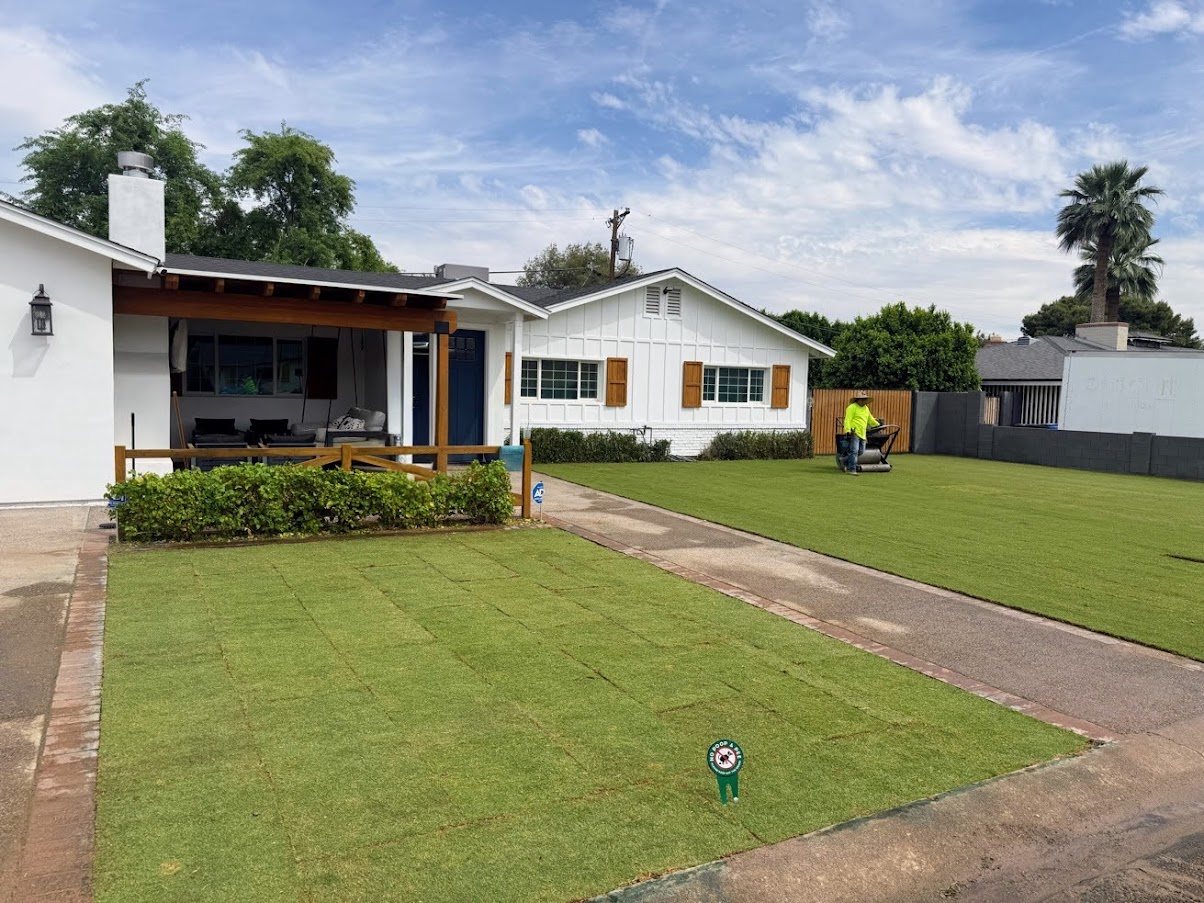 Starting with the newest variety out of UC Riverside, developed by Dr. Baird, is Coachella Bermudagrass. I want to start with the obvious, it was developed in the desert region of California. Most of the grass produced today comes from the south or east coast so having a west coast variety is a big step. Since it was developed in California you know that water conservation is one of the top characteristics he was looking at when breeding. Coachella Bermudagrass uses 15-25% less water than traditional bermudagrasses like Tifway 419 or Midiron. If you have a cool season lawn such as Tall Fescue it uses 40% less water. As cities reduce water allotments and drought continues, it’s important to use a grass that can survive long periods of lowwater use. What is another way to reduce water usage? How about not overseeding in the fall? Coachella provides excellent winter color retention. While it won’t stay green year-round in all areas, it does significantly close the gap. This past winter it did not go fully dormant as temperatures stayed mild and the color was fantastic. This was not the case for the older varieties as they quickly lost color as we dropped into the 50’s at night. Coachella has a dark blue green color, fine leaf blade making it ideal for golf courses, athletic fields, landscaping, and home lawns. It can be maintained from .300 to over 2 inches. Coachella Bermudagrass has recently been used at The Farm’s Golf Course in Rancho Sante Fe, and at Big Canyon Country Club in Newport Beach.
Download the Coachella spec sheet here: CoachellaBermuda.pdf
The second grass we will look at is Tahoma 31. Tahoma 31 was developed by Oklahoma State University, and it gets its name from the Native American, Tahoma, which means frozen water. It has the best cold tolerance of any grass on the market allowing it to grow anywhere from Chicago to Phoenix. Tahoma is second is none when it comes to providing a pristine playing surface, golf course fairway or home lawn. With its dark green color, fine leaf texture, and wide range of mowing heights from .125 inches to 2 inches it is one of the best grasses on the market. Similar to Coachella and Tiftuf that we will discuss later, it uses 20% less water than traditional Bermudagrasses. The deep root system, aversion to drought, pest and disease resistance you will find that it can be used in virtually any turfgrass situation. Tahoma is one of the best bermudagrasses for minimal shade but does prefer full sun. Tahoma has been a favorite of professional athletic fields and golf courses for the last few years, and we will continue to see it used more in the future. You can find Tahoma 31 at the City of Scottsdale civic center and sports complex, Dodger Stadium, Salt River Fields, Camelback Ranch, and Desert Mountain Golf Club.
Download the Tahoma 31 spec sheet here: Tahoma 31 Bermuda (1).pdf
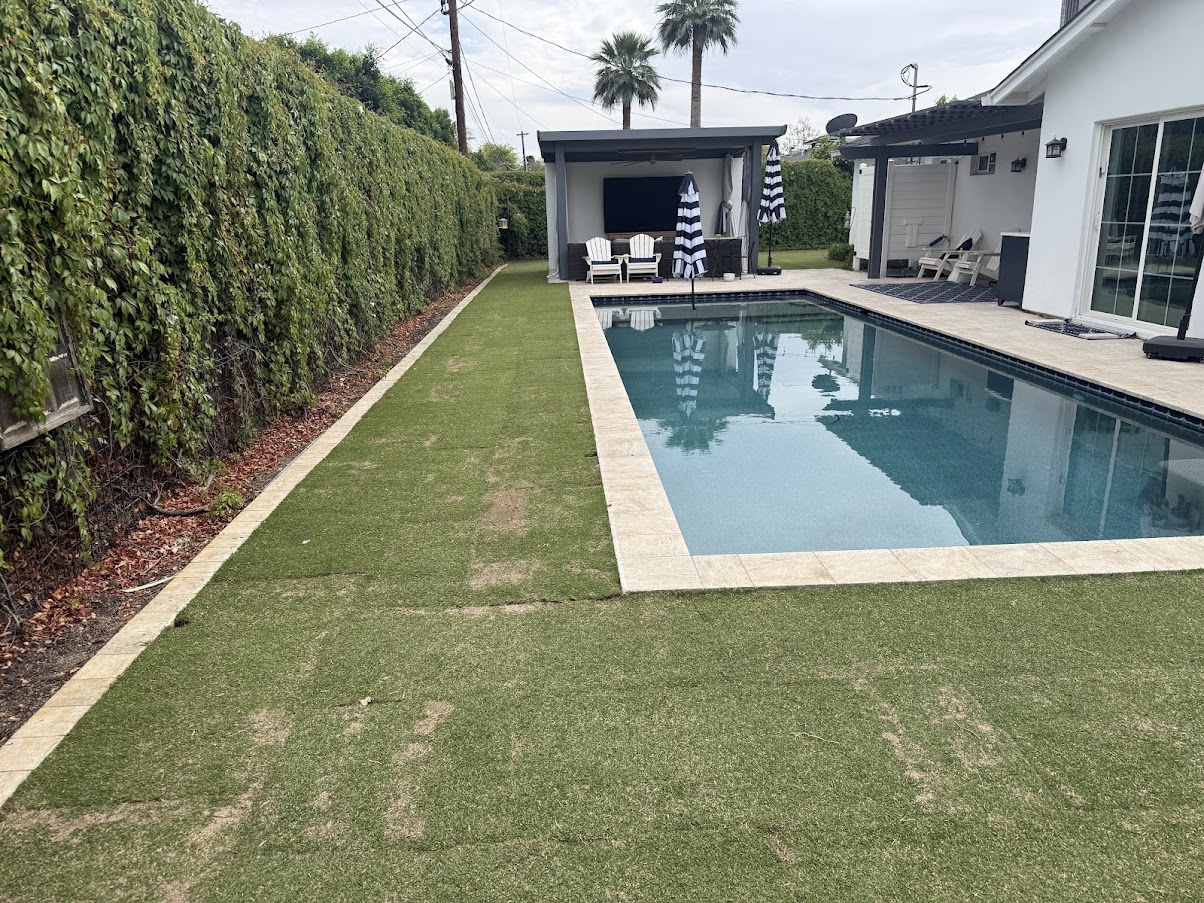 Tiftuf bermudagrass was developed out of the University of Georgia turfgrass with water savings in mind. It was selected for superior drought and wear tolerance with turfgrass quality front of mind. Tiftuf is part of the smart drop certified water savings program and has consistently been shown to use 15-25% less water than Tifway 419 or Midiron. The fine leaf texture and dark green leaf blade are just a couple of the other reasons professionals have chosen to use Tiftuf in new jobs. With its superior late fall color this is another grass that you could forgo overseeding with and reduce the dormancy period to just 2-3 months. This grass tolerates a mowing range between .500 and 2” making it ideal for reel or rotary mowers.
Download the Tiftuf spec sheet here: TifTuf (1).pdf
There is nothing quite like that feeling of watching every person that walks around the neighborhood bend down to touch your lawn to see if it’s real. Now that you have the perfect lawn, all that’s left to do is go shopping for those all white New Balance and watch your friends get green with envy.
Comments Off on Improved Bermudagrasses for Your California and Arizona Climates
Feb
Designing the Perfect Lawn for Entertaining
In the Southwest, outdoor living isn’t seasonal — it’s a lifestyle. From backyard birthday parties to sunset cocktail hours and weekend barbecues, your lawn becomes the foundation for gathering. Designing the perfect lawn for entertaining isn’t just about aesthetics. It’s about performance, durability, comfort, and creating a space people naturally gravitate toward.
At West Coast Turf, we know that a well-designed natural grass lawn transforms a backyard into an experience.
Start with the Right Grass Variety
Not all grass is created equal — especially when your lawn doubles as an event space.
Warm-season grasses like Bermudagrass and Paspalum are ideal for high-traffic environments. They offer:
- Strong wear tolerance
- Quick recovery from foot traffic
- Dense, cushioned surface feel
- Vibrant color in peak season
If your backyard hosts regular gatherings, choosing a durable sod variety is step one. A lawn that recovers quickly keeps your space looking pristine, even after a full house.
Plan for Flow and Function
The perfect entertaining lawn balances open space with intentional layout. Think of your lawn as an extension of your living room.
Design considerations include:
- Clear sightlines between seating areas
- Defined gathering zones
- Smooth transitions from patio to turf
- Adequate space for dining tables or outdoor lounges
Large, uninterrupted turf areas create flexibility. Whether it’s kids running barefoot, lawn games, or a dance floor under string lights, natural grass adapts beautifully.
Build a Healthy Foundation
Entertaining lawns require more than surface beauty — they need strong roots.
Proper soil preparation and grading are critical for:
- Even drainage
- Eliminating pooling
- Supporting consistent turf growth
- Preventing uneven settling over time
Healthy soil encourages deeper root systems, which improve durability and reduce maintenance stress. When the foundation is solid, the surface stays flawless.
Smart Irrigation = Always Guest-Ready
No one wants muddy patches or dry, brittle turf before hosting guests.
Modern irrigation strategies help maintain consistent hydration without overwatering. Smart controllers, soil moisture sensors, and early-morning watering schedules ensure your lawn stays lush, resilient, and comfortable underfoot.
Water-smart irrigation also promotes deeper root growth, meaning your lawn handles foot traffic with ease.
Comfort Matters
One of the biggest advantages of natural grass over synthetic surfaces is comfort.
Natural turf:
- Stays cooler in warm climates
- Provides natural cushioning
- Reduces glare in bright sunlight
- Feels inviting and soft under bare feet
When designing for entertaining, tactile experience matters. Guests notice the difference immediately.
Add Lighting and Landscape Accents
A perfect entertaining lawn isn’t just green — it’s thoughtfully framed.
Consider:
- Soft perimeter lighting
- Subtle landscape borders
- Clean edging for a polished look
- Accent trees or planters for dimension
These elements elevate the lawn from functional to unforgettable.
The Takeaway
Designing the perfect lawn for entertaining is about creating a space that performs as beautifully as it looks. With the right sod selection, healthy soil preparation, efficient irrigation, and intentional layout, your backyard becomes more than a lawn — it becomes the centerpiece of connection.
At West Coast Turf, we believe natural grass creates the kind of setting where memories are made — comfortably, sustainably, and in style. For more information visit westcoastturf.com
Comments Off on Designing the Perfect Lawn for EntertainingFeb
Why Water Management Matters More Than Ever
Natural grass offers major environmental benefits — from cooling surface temperatures to reducing runoff and supporting soil health. But inefficient watering practices can undermine those advantages.
With increased drought cycles across California and the Southwest, property owners and field managers are asking smarter questions:
- How much water does turf really need?
- Are we overwatering?
- Can technology help us use less?
The answer to all three is yes.
1. Smart Irrigation Controllers: Let Technology Do the Thinking
Modern irrigation controllers adjust watering schedules automatically based on:
- Local weather data
- Evapotranspiration (ET) rates
- Soil moisture levels
- Seasonal adjustments
Instead of running on a fixed timer, smart systems respond to real-time conditions. If it rains, irrigation pauses. If temperatures spike, adjustments are calculated precisely — not excessively.
Result: Less waste. Healthier turf. Lower water bills.
2. Evapotranspiration (ET)-Based Watering
ET-based systems calculate how much moisture is lost through:
- Evaporation from soil
- Transpiration from plant leaves
This data tells you exactly how much water needs to be replaced — no more, no less.
Professional sports facilities and high-performance fields rely on ET data to maintain optimal playing conditions without overwatering. It’s science-based irrigation rather than guesswork.
3. Soil Moisture Sensors: Water Only When It’s Needed
Soil moisture sensors are installed beneath the turf surface and monitor real-time hydration levels at the root zone.
Benefits include:
- Preventing overwatering
- Encouraging deeper root growth
- Reducing fungal disease risk
- Improving overall turf resilience
Deep, strong root systems mean turf that withstands heat, traffic, and stress — especially important in warm-season varieties like Bermudagrass.
4. Precision Irrigation for Sports Fields
Elite stadiums and professional sports venues depend on advanced irrigation layouts that deliver uniform coverage across every square foot.
Fields such as Rose Bowl Stadium rely on engineered systems designed to:
- Prevent pooling and runoff
- Deliver consistent playability
- Support seasonal transitions
- Maintain safe surface conditions
Uniform distribution reduces dry spots and eliminates oversaturated zones, both of which can compromise safety and performance.
- Smart Zoning & Hydro-Zoning
Not all turf areas require the same amount of water.
Modern irrigation systems use zoning strategies to separate areas based on:
- Sun exposure
- Soil type
- Usage level
- Grass variety
For example:
- High-traffic sports areas receive different scheduling than perimeter landscaping.
- Full-sun sections are adjusted independently from shaded zones.
Hydro-zoning eliminates the “one size fits all” approach and significantly reduces water waste.
6. Irrigation Timing & Efficiency Best Practices
Technology works best when paired with smart scheduling.
Water-smart strategies include:
- Early morning irrigation to reduce evaporation
- Deep, infrequent watering to promote deeper roots
- Seasonal calibration for warm-season grass
- Regular system audits for leaks or misaligned heads
Even small inefficiencies like a broken sprinkler head can waste thousands of gallons annually.
Why Natural Turf + Smart Irrigation Is a Sustainable Win
When properly managed, natural grass:
- Reduces surface temperatures compared to synthetic turf
- Improves air quality
- Supports soil biology
- Enhances stormwater filtration
The key is efficient water delivery not elimination of living landscapes.
Water-smart turf management isn’t about using more water. It’s about using water wisely.
The Bottom Line
Modern irrigation systems allow property owners, cities, schools, and stadiums to maintain beautiful, high-performance natural grass while significantly reducing water waste.
With smart controllers, ET-based calculations, soil moisture sensors, and strategic zoning, water efficiency and premium turf quality go hand in hand.
At West Coast Turf, sustainability isn’t a trend — it’s part of building fields and landscapes that perform today and endure tomorrow. For more information visit: westcoastturf.com
Dec
West Coast Turf Brings Natural Grass Back to the Big Stage This Bowl Season
Bowl season is here, and once again West Coast Turf is proud to be at the center of two of college football’s most meaningful stages. Our team has been busy bringing the beauty, safety, and performance of natural grass back into the spotlight—most recently in Phoenix for the bowl game at Chase Field on December 26, and once again in Pasadena for the iconic Rose Bowl Game on January 1.
At Chase Field, we installed natural grass over the existing artificial surface last week in preparation for the big matchup. Transforming a baseball stadium with synthetic turf into a championship-ready natural grass football field is no small task—it requires precision, logistics expertise, and a deep understanding of how turf performs under unique conditions. Our crews worked around the clock to ensure the field not only looks incredible on camera, but also delivers the traction, cushioning, and consistency that athletes expect on game day.
Why go natural over artificial? Players feel the difference. Natural grass provides better temperature regulation, more forgiving impact, and an authentic playing experience that simply can’t be replicated synthetically. It’s also a fan favorite—nothing quite matches the look and feel of a real grass field under stadium lights. We’re honored that event organizers trusted West Coast Turf once again to deliver a surface worthy of a postseason spotlight.
We’re also proud to be back at the Rose Bowl—“The Granddaddy of Them All”—for the January 1 game. Our installation was completed in early December, allowing the sod ample time to root in and establish before the nation’s eyes turn to Pasadena. This legendary venue is known for postcard-perfect visuals and pristine field conditions, and we take that responsibility seriously. Every roll of sod, every cut, and every seam is placed with care to uphold the tradition and reputation that the Rose Bowl field is famous for.
Producing these world-class fields doesn’t happen overnight. It starts months in advance at our farms, where we grow premium natural turf specifically for elite sports performance. We carefully select grass varieties for strength, color, density, and durability, then harvest and install them at just the right moment to ensure peak condition for kickoff. From soil prep to final paint striping, our team is hands-on at every stage.
This bowl season is another reminder of why we do what we do. Natural grass fields don’t just look better—they play better. They support athlete safety, elevate the fan experience, and connect today’s games to the traditions that define football’s history.
We’re grateful to our partners, crews, and customers who trust West Coast Turf with the biggest stages in sports. Whether it’s a postseason showdown in Phoenix, a New Year’s Day classic in Pasadena, or your home field or backyard project, we’re committed to delivering the highest-quality natural grass—grown and installed by experts who care.
Here’s to another unforgettable bowl season, and to many more games played the way they were meant to be—on natural grass. For more information, visit westcoastturf.com
Oct
Home for the Holidays — And Proud of That Lawn
The holidays are just around the corner and there’s something special about coming home for the holidays. The smell of pine, the sparkle of lights, and the familiar warmth of gathering with family and friends — it all begins the moment you pull into the driveway. And right there, greeting every guest before the doorbell even rings, is one of the most underrated stars of the season: your lawn.
This year, make your yard part of the holiday magic. A healthy, green lawn doesn’t just boost curb appeal — it sets the tone for the entire celebration. Whether you’re hosting a holiday dinner, lighting up the neighborhood with decorations, or welcoming visitors from out of town, your natural grass can shine just as bright as your string lights.
Setting the Scene for the Season
Think of your front yard as the red carpet to your holiday home. A well-kept lawn creates an inviting backdrop for festive décor — twinkling lights, wreaths, and glowing reindeer all look more vibrant against the lush green of natural grass. Unlike artificial turf, real grass offers that soft, cool touch and natural color that bring balance and warmth to your holiday display.
And for families with kids or pets, a natural lawn is more than just decoration — it’s part of the fun. From building snowmen (if you’re lucky enough for snow) to setting up a fire pit or yard games for visiting guests, your grass becomes the gathering place for memories in the making.
The Gift of Curb Appeal
Your lawn is the first thing people notice when they arrive, and during the holidays, those first impressions matter. A rich, even color and clean edges instantly elevate your home’s appearance — no expensive landscaping overhaul needed.
With proper winter care, it’s easy to keep your grass looking its best. Regular mowing, balanced fertilization, and a deep watering schedule (where weather allows) can keep your turf strong and green through the cooler months. If you’re in a milder region, installing fresh sod from West Coast Turf is one of the fastest ways to refresh your home’s look before guests arrive. Think of it as wrapping your house in its own natural gift — one that lasts well beyond the holidays.
Gather, Celebrate, and Grow
The holidays are all about connection — with loved ones, with traditions, and with the place you call home. A natural lawn brings those connections to life. It’s where kids toss the football before dinner, where friends gather with mugs of cocoa, and where memories take root, season after season.
As you decorate your home this year, remember that the best holiday glow doesn’t just come from lights — it comes from the pride you feel when everything, from your front door to your front yard, reflects the care you’ve put into it.
At West Coast Turf, we’re proud to help homeowners, sports teams, and communities across the West grow something real — something that lasts. This holiday season, celebrate the beauty of your home from the ground up. Because nothing says “welcome home” quite like a lush, living lawn.
Let’s make this season greener.
Learn more about our premium natural sod and turf options at www.westcoastturf.com.
Comments Off on Home for the Holidays — And Proud of That Lawn
Apr
Keeping Up With ‘The New Joneses’
Environmentally Conscious Lawns That Are Here to Stay From West Coast Turf
The definition of the “perfect lawn” is changing — and fast. Gone are the days when the best yard on the block was the one guzzling the most water to stay green year-round. The new gold standard for modern homeowners is a landscape that’s both beautiful and environmentally responsible.
Today’s homeowners are making smarter choices, and the conversation around what’s growing in your California and Arizona yard is evolving. Whether you’re planning a new lawn or rethinking your current landscape, the shift toward sustainable, water-wise solutions is here to stay. And leading the way are warm-season grasses.
The Smart Choice: Warm-Season Grasses
When it comes to balancing curb appeal with eco-awareness, warm-season grasses like Bermudagrass and Seashore Paspalum check all the boxes. These grasses are perfectly adapted for hot, dry climates and thrive in the kind of summer sun that leaves cool-season grasses struggling.
Their deep root systems allow them to handle drought far better than traditional lawn grasses. Once established, they require far less water to maintain a healthy, green appearance — meaning you’re not only reducing your water usage but also your monthly water bill.
At West Coast Turf, we grow and supply several premium warm-season grass varieties that deliver year-round beauty and serious durability for home landscapes, sports fields, parks, and golf courses.
Ditch the Plastic, Skip the Guilt
In recent years, artificial turf has been marketed as a “water-saving” option, but the reality is far from green. Synthetic grass lacks all of the environmental benefits a living lawn offers — no cooling effect, no carbon sequestration, no filtration of rainwater, and no support for the surrounding ecosystem.
Not to mention: under the hot sun, artificial turf can reach temperatures far higher than concrete or asphalt, making it uncomfortable and even unsafe during peak summer months. Choosing warm-season grasses or ground covers like Kurapia (a low-water flowering option) offers real ecological benefits while keeping your yard inviting and alive.
Overseeding vs. Winter Rest
Another way to stay environmentally conscious is in how you handle the off-season. Homeowners traditionally overseed warm-season lawns with cool-season grasses for a year-round green look. While this can maintain visual appeal, it requires winter watering and extra care.
An increasingly popular alternative is embracing “winter rest.” Allowing your warm-season grass to go dormant during the colder months means turning off the irrigation and letting nature take its course. When spring returns, your lawn will bounce back — healthy and ready for another season — without the waste of off-season watering.
The New Joneses Lead the Way
The best yards today aren’t just about perfect stripes and pristine edges — they’re about smart choices that work with the environment, not against it. Whether you choose a low-water warm-season grass, explore ground covers like Kurapia, or blend native plants into your design, you’re contributing to a healthier future.
At West Coast Turf, we’re proud to offer solutions that let you have the best of both worlds: a stunning California and Arizona lawn and a conscious approach to sustainability.
Ready to join the new Joneses? Visit westcoastturf.com and explore grass varieties, installation tips, and expert advice on building a lawn that looks great — and does good.
Comments Off on Keeping Up With ‘The New Joneses’
Mar
California Pests That Can Destroy Your Lawn: Protect Your California and Arizona Lawn.
When you invest time and money into maintaining a beautiful lawn in California or Arizona, the last thing you want is for pests to ruin your hard work. From grubs to chinch bugs, these unwelcome invaders can wreak havoc on your turf, turning a lush lawn into an unsightly patchwork of brown and dying grass. In California, especially with its diverse climate zones, pests can vary in types and behaviors, making it essential for homeowners to stay proactive about lawn care. As a trusted provider of premium sod for California and Arizona, West Coast Turf is here to help you identify and combat the most common pests that could be damaging your lawn.
1. Grubs: The Root Destroyers
Grubs, the larvae of beetles like the Japanese beetle and the June bug, are one of the most common and damaging pests for California lawns. These white, C-shaped larvae feast on the roots of your grass, disrupting its ability to absorb water and nutrients. As they burrow into the soil, they can cause widespread damage that often shows up as large, irregular brown patches in your lawn.
Signs of grub damage:
- Brown, patchy areas of grass that pull up easily from the soil.
- Small dead patches that seem to spread quickly.
- A lawn that feels spongy underfoot due to the roots being eaten away.
Grubs are often most active during the summer and early fall, so it’s important to take preventive measures during these times. If you notice the signs of a grub infestation, act quickly to minimize damage.
How to protect your lawn:
- Preventative treatments like granular insecticides or natural alternatives such as nematodes can help control grubs before they cause damage.
- Aerating your lawn helps improve soil health and root systems, making it less susceptible to grub damage.
- If you already have grubs, apply treatments in the early summer, when they’re in their larval stage.
2. Chinch Bugs: Small but Mighty
Chinch bugs are another common pest found in both California and Arizona lawns. These tiny, reddish-black insects suck the sap from grass blades, causing the grass to wilt and die. Chinch bugs prefer hot, dry conditions, which makes them especially problematic during California’s long summer months.
Signs of chinch bug damage:
- Irregular patches of yellowing or browning grass, often in sunny or drought-prone areas.
- Turf that feels spongy or soft when stepped on.
- Grass that looks dry despite regular watering.
Chinch bugs are particularly harmful to cool-season grasses, such as fescue or Kentucky bluegrass, which are commonly found in lawns throughout California. Their feeding weakens the grass, making it vulnerable to further stress from heat and drought.
How to protect your lawn:
- Apply insecticides targeted specifically for chinch bugs. Make sure to follow the application instructions carefully for the best results.
- Water your lawn deeply but infrequently to encourage deep root growth, which helps the grass better withstand pests like chinch bugs.
- Consider reseeding or replacing sod in areas heavily damaged by chinch bugs to restore your lawn.
3. Sod Webworms: Moth Larvae that Ruin Your Turf
Sod webworms are larvae of small moths that live beneath the surface of the turf. These larvae feed on grass blades, causing patches of dead, brown grass that can spread quickly if not controlled. Sod webworms are especially active during the warmer months and can severely damage lawns that are already stressed by heat or drought.
Signs of sod webworm damage:
- Small, circular patches of dead or dying grass.
- The presence of small moths flying near the turf, especially in the evening.
- Increased activity from birds or other animals searching for the larvae.
How to protect your lawn:
- Use insecticidal treatments specifically designed for sod webworms. Applying treatments in the late afternoon or early evening can help target the larvae.
- Maintain a healthy lawn by watering properly and aerating regularly to reduce compaction.
- Encourage natural predators, like birds and beneficial insects, to help manage the population of sod webworms.
4. Ants: More than Just a Nuisance
While ants might seem harmless at first glance, certain species, such as Argentine ants or fire ants, can cause significant damage to your lawn. These ants create nests and mounds in your grass, disturbing the root system and soil structure. Fire ants, in particular, can sting, which makes them a health hazard for pets and children.
Signs of ant infestation:
- Mounds of dirt or raised areas in the grass.
- Dry, patchy areas where ants have disturbed the soil.
- A sudden increase in the number of ants in your lawn.
How to protect your lawn:
- Use targeted ant baits or insecticides to treat visible mounds. Be sure to follow the manufacturer’s instructions for safe and effective treatment.
- Keep your lawn properly watered to discourage ants from nesting in dry areas.
- Reseed or replace sod in areas with extensive ant damage.
5. Lace Bugs: A Hidden Threat to Your Grass
Lace bugs are another common pest in California lawns, particularly in areas with hot, dry summers. These tiny insects feed on the undersides of grass leaves, causing small yellow spots and a general decline in turf health. While lace bugs don’t always cause immediate, catastrophic damage, their feeding can weaken grass and make it more susceptible to other issues like drought stress and disease.
Signs of lace bug damage:
- Yellow or spotted patches on grass blades, often appearing on the lower side of leaves.
- General decline in the overall health of the turf, especially in stressed areas.
- Grass that seems to be wilting or drying out despite proper care.
How to protect your lawn:
- Use insecticidal soap or neem oil to target lace bugs and prevent them from spreading.
- Regularly check the underside of grass blades for signs of lace bug infestation.
- Fertilize and water your lawn to keep it healthy and more resistant to pest damage.
Conclusion: Keeping Your Lawn Healthy and Pest-Free
Pests are a constant threat to California and Arizona lawns, but with the right care and attention, you can minimize their impact and keep your lawn looking its best. At West Coast Turf, we’re committed to providing top-quality sod and expert advice to help you manage your lawn’s health year-round.
If you suspect that pests are harming your turf, act quickly to prevent further damage. Whether you need advice on pest control or you’re looking to replace damaged sod, our team is here to help you maintain a healthy, thriving lawn. By staying vigilant and using the right treatments, you can protect your turf from the pests that threaten it and enjoy a lush, beautiful lawn for years to come.
For all your sod needs in California and Arizona, trust West Coast Turf—your go-to partner for a beautiful, pest-free lawn. Visit our website at westcoastturf.com for more information,
Comments Off on California Pests That Can Destroy Your Lawn: Protect Your California and Arizona Lawn.Jan
The Future of Golf: Sustainable and Stunning in California and Arizona
The Future of Golf: Sustainable and Stunning
As the golf industry continues to evolve, the focus on sustainability is becoming increasingly important. By implementing water-smart solutions, golf courses can not only reduce their environmental impact but also improve their bottom line through reduced water and maintenance costs.
West Coast Turf is at the forefront of this green revolution, offering a wide range of water-efficient turfgrass options and expert advice on sustainable golf course management. By partnering with industry leaders like West Coast Turf, golf courses in arid regions like the Coachella Valley and beyond can create stunning, eco-friendly landscapes that will delight players for generations to come.
The future of golf in arid regions is bright, green, and water-smart. By embracing innovative technologies, sustainable design practices, and drought-resistant turfgrass, golf courses can continue to provide world-class playing experiences while being responsible stewards of our precious water resources.
Water-smart golf course design goes beyond turfgrass selection. Incorporating native plants, xeriscaping techniques, and strategic use of hardscaping can dramatically reduce water needs while enhancing the course’s aesthetic appeal. Many courses are reducing turf in out-of-play areas and replacing it with drought-resistant landscaping, creating visually striking contrasts that add character to the course. West Coast Turf are leaders in innovation and sustainability. Visit our website for more information: https://westcoastturf.com
Comments Off on The Future of Golf: Sustainable and Stunning in California and ArizonaJan
Keeping Your Arizona and California Lawns Beautiful While Keeping Your Pets Happy
Maintaining a beautiful lawn while accommodating pets can be challenging but rewarding. Here are five essential tips for lawn care that will help you achieve a lush, green turf while ensuring your furry friends can enjoy their outdoor space safely.
1. Choose Durable Grass Varieties
Selecting the right type of grass is crucial for a pet-friendly lawn. Opt for durable grass species that can withstand wear and tear from pets running and playing. Varieties depend on climate and area:
Bermuda & Rye grasses work best in our arid desert climate, depending on time of year.
These grasses are more resilient to pet activities and less likely to suffer from damage caused by urine or digging.
2. Implement Regular Maintenance Routines
Regular maintenance is key to keeping your lawn healthy. This includes:
– Frequent Mowing: Keeping your grass at a height of about 2 to 3 inches helps it recover from pet traffic and reduces the visibility of any yellow spots caused by urine.
– Watering: Water your lawn regularly, especially after your pet relieves itself. This dilutes the nitrogen in urine, preventing brown patches.
– Fertilizing: Use pet-friendly fertilizers and apply them less frequently to avoid overloading the soil with nitrogen, which can harm your grass.
3. Create Designated Pet Areas
To protect your lawn, consider creating specific areas for your pets to play and relieve themselves. This eliminates any “landmines” you may step in as well. This can be done by:
– Installing Fencing or decorative rock perimeters: Use natural barriers or fences to separate pet areas from the rest of your lawn.
– Setting Up Potty Zones: Designate a specific spot filled with mulch or gravel for bathroom breaks. This not only keeps your main lawn intact but also helps train your pets to use that area consistently.
4. Clean Up Promptly
Immediate cleanup of pet waste is essential for maintaining a healthy lawn. Regularly remove solid waste and rinse areas where pets urinate to prevent odor buildup and grass damage. This practice not only keeps your lawn looking good but also promotes a healthier environment for both pets and humans.
5. Minimize Chemical Exposure
When caring for your lawn, choose organic or pet-safe products whenever possible. Avoid using harsh chemicals that could harm your pets if ingested or inhaled. Always keep pets indoors during lawn treatments until the area is safe again. Using natural ingredients for pest control and fertilization will ensure a safe environment for your furry friends while maintaining vibrant turf.
By following these tips, you can enjoy a beautiful, thriving lawn that accommodates your pets’ needs without compromising on aesthetics or safety. For more information visit https://westcoastturf.com
Comments Off on Keeping Your Arizona and California Lawns Beautiful While Keeping Your Pets Happy

