
Sep
How Weather Impacts Athletic Turf Grown in California and Arizona
When it comes to athletic field turf, where the grass is grown matters. California and Arizona produce some of the most durable natural grass sod in the country, but each region offers different growing conditions that can influence how turf performs once it is installed.
At West Coast Turf, we grow and supply premium sod throughout California and Arizona, giving sports facilities, schools, parks, and athletic organizations access to turf varieties selected for warm climates, heavy use, and challenging weather conditions.
California Grown Turf and Changing Weather Conditions
California’s diverse climate provides excellent growing conditions for a variety of turfgrass. Depending on the region, California-grown sod can experience coastal temperatures, inland heat, dry conditions, and seasonal rainfall.
Warm-season grasses such as Bermudagrass thrive in California’s warmer regions. They perform especially well during the summer months when temperatures are high and athletic fields experience increased use.
California grown turf also benefits from the state’s long growing season, allowing sod producers to cultivate strong, established grass with healthy root systems before it reaches its final destination.
Arizona Grown Turf Built for the Heat
Arizona presents an entirely different growing environment. With intense sunshine, extremely high summer temperatures, and very low humidity, turf grown in Arizona must be able to handle some of the toughest conditions in the Southwest.
Warm-season Bermudagrass is particularly well suited for Arizona’s climate. Varieties such as TifTuf Bermuda and Tahoma 31 are known for heat tolerance, drought resistance, and their ability to recover from wear.
Because Arizona-grown turf is cultivated in a hot, dry environment, it is naturally conditioned to perform in areas where summer temperatures can be extreme. This makes Arizona sod an excellent option for athletic facilities and other high-traffic applications throughout the Southwest.
Weather Helps Shape Stronger Turf
Weather isn’t just something turf has to deal with after installation. It also plays an important role while sod is being grown.
Temperature, sunlight, rainfall, humidity, and irrigation all influence how turf develops. Growing sod under conditions similar to the environment where it will ultimately be installed can help produce grass that is better prepared to establish and perform.
That’s one reason locally and regionally grown sod can be such a valuable choice for athletic fields in California and Arizona.
The Right Turf for the Right Climate
Not all natural grass is the same, and not every turf variety performs equally well in every climate. Selecting a grass that is suited to the local weather conditions can make a significant difference in establishment, appearance, durability, and long-term performance.
West Coast Turf grows and supplies premium natural grass sod throughout California and Arizona, including a variety of Bermudagrass options for athletic fields and other high-use applications.
Whether you’re looking for athletic field sod in California, sports turf in Arizona, or durable natural grass for a school, park, stadium, or recreational facility, choosing turf grown for the Southwest climate is an important first step.
West Coast Turf has been growing premium sod in California and Arizona for decades. Contact us to find the right turfgrass variety for your next athletic field or sports turf project. For more information visit: westcoastturf.com
No CommentJul
Summer Weed Control: How to Keep Your Lawn Healthy During the Hottest Months
Summer is when your lawn should be at its best but it’s also when weeds can quickly take advantage of stressed turf. High temperatures, inconsistent watering, and heavy foot traffic can weaken your grass, giving invasive weeds the perfect opportunity to spread. The good news? A healthy, well-maintained lawn is your first and best defense against unwanted weeds.
At West Coast Turf, we know that thriving natural grass starts with proper summer care. Here are some tips to help keep weeds under control while maintaining a lush, healthy lawn all season long.
Why Weeds Thrive in Summer
Many common summer weeds, including crabgrass, spurge, nutsedge, and purslane, flourish in hot weather. They often invade lawns where the turf has thinned due to drought stress, mowing too short, or poor irrigation. Once established, these weeds compete with your grass for water, nutrients, and sunlight, making it even harder for your lawn to recover.
The key is preventing weeds before they gain a foothold.
Keep Your Lawn Thick and Healthy
The healthiest lawns naturally crowd out weeds. Dense turf leaves little room for weed seeds to germinate and establish.
To encourage strong growth:
- Water deeply but less frequently to promote deep root development.
- Fertilize according to your grass variety and local growing conditions.
- Repair thin or damaged areas before weeds have a chance to invade.
- Avoid excessive foot traffic during periods of extreme heat.
Healthy grass is your lawn’s best weed control strategy.
Mow Smart During Hot Weather
One of the biggest mistakes homeowners make during summer is mowing too short.
Keeping your lawn slightly taller provides several benefits:
- Shades the soil, helping reduce weed seed germination.
- Keeps root systems cooler during extreme temperatures.
- Reduces moisture loss from the soil.
- Encourages healthier, thicker turf.
Remember the one-third rule: never remove more than one-third of the grass blade during a single mowing.
Water Wisely
Overwatering can be just as harmful as underwatering. Shallow, frequent watering encourages weak roots while creating favorable conditions for certain weeds.
Instead:
- Water early in the morning.
- Apply enough water to soak the soil several inches deep.
- Allow the surface to dry between watering cycles.
Deep-rooted turf is far more resilient during the summer heat.
Remove Weeds Early
The sooner weeds are removed, the easier they are to control. Pull isolated weeds by hand before they produce seeds, and monitor your lawn regularly for new growth.
For larger infestations, selective herbicides may be appropriate, but they should be applied carefully and according to label directions. During periods of extreme heat, many herbicides can stress your lawn, so timing is important.
Start with Quality Turf
One of the best ways to reduce weed problems is by installing premium-quality sod. A professionally grown lawn establishes quickly, forms a dense canopy, and leaves fewer opportunities for weeds to emerge.
At West Coast Turf, our premium natural grasses are cultivated for exceptional density, durability, and performance throughout California and Arizona’s warm climates. Whether you’re installing a new lawn or renovating an existing one, quality turf provides a healthier, more weed-resistant foundation.
Enjoy a Weed-Free Summer
Summer doesn’t have to be a constant battle against weeds. With proper mowing, watering, and routine maintenance, your lawn can remain thick, green, and resilient even during the hottest months.
A healthy lawn isn’t just more beautiful, it’s naturally better equipped to keep weeds where they belong: out of your yard.
West Coast Turf is proud to help homeowners, landscapers, and sports facilities grow stronger, healthier natural grass that’s built to thrive all summer long. For more information visit westcoastturf.com
Comments Off on Summer Weed Control: How to Keep Your Lawn Healthy During the Hottest Months
Apr
New Sod Care 101: What to Do in the First 30 Days for Your Arizona and California Lawn
New Sod Care 101: What to Do in the First 30 Days
Installing new sod is one of the fastest ways to achieve a lush, green lawn but what you do in the first 30 days makes all the difference. This critical establishment period is when your sod develops strong roots and adapts to its new environment. Whether you’re installing California and Arizona sod in the peak of summer or during a milder season, following the right steps ensures long-term success.
Week 1: Establishing Roots Starts with Water
The first week is all about consistent moisture. Your new sod should be kept damp at all times—never dry. Water immediately after installation, ensuring moisture penetrates the soil beneath the sod.
For California and Arizona sod, this often means watering 2–3 times per day for shorter durations, especially in warmer weather. Early morning, midday, and early evening watering cycles help prevent the sod from drying out under intense sun.
Pro tip: Lift a corner of the sod if the soil underneath is moist, you’re on the right track.
Week 2: Encourage Root Growth
By the second week, your sod should begin to anchor into the soil. At this stage, you can gradually reduce watering frequency while increasing the depth of each session.
Shift to watering once daily, making sure the water soaks deeper into the soil. This encourages roots to grow downward rather than staying shallow.
You can test progress by gently tugging on the sod if there’s resistance, roots are establishing successfully.
Week 3: First Mow & Maintenance
Around week three, your lawn should be ready for its first mow but only if the sod is firmly rooted.
Set your mower blades high and never remove more than one-third of the grass height. Taller blades help shade the soil and protect young roots, especially in hot California and Arizona climates.
Continue watering deeply every other day, adjusting based on weather conditions.
Week 4: Transition to a Regular Routine
By the fourth week, your sod should be well-established and ready to transition into a normal lawn care routine.
At this point:
- Water 2–3 times per week, deeply and less frequently
- Begin a light fertilization program with a balanced, slow-release fertilizer
- Resume normal mowing schedules while maintaining proper height
Keep an eye on your lawn and adjust care based on temperature and usage.
Set Your Lawn Up for Long-Term Success
The first 30 days are the foundation for everything that follows. Proper watering, careful mowing, and patience are key to developing a lawn that’s not just green but strong and resilient.
Choosing high-quality turf also plays a major role. West Coast Turf offers premium California and Arizona sod, including innovative solutions designed for durability, faster establishment, and superior performance even in challenging climates.
Treat your new sod right from day one, and you’ll enjoy a beautiful, thriving lawn for years to come. For more information visit westcoastturf.com
Comments Off on New Sod Care 101: What to Do in the First 30 Days for Your Arizona and California LawnApr
Summer Lawn Survival Guide: Keeping California and Arizona Sod Green in Extreme Heat
Summer Lawn Survival Guide: Keeping California and Arizona Sod Green in Extreme Heat
When summer hits California and Arizona, your lawn faces its toughest test. Triple-digit temperatures, intense sun, and dry conditions can quickly turn even the healthiest turf into a stressed, brown landscape. But with the right strategy, your lawn can not only survive—it can thrive. Here’s your go-to guide for keeping your California and Arizona sod green and resilient all summer long.
- Water Smart, Not More
One of the biggest misconceptions about summer lawn care is that more water equals a healthier lawn. In reality, overwatering can be just as harmful as underwatering. The key is deep, infrequent watering. This encourages roots to grow deeper into the soil, making your turf more drought-resistant.
In extreme heat, aim to water your lawn early in the morning—typically between 4 a.m. and 8 a.m.—to reduce evaporation. Most California and Arizona sod varieties, especially warm-season grasses like Bermuda, thrive with about 1 to 1.5 inches of water per week, depending on soil type and weather conditions.
- Raise Your Mowing Height
During summer, resist the urge to cut your grass too short. Taller grass blades provide natural shade for the soil, helping retain moisture and protect roots from heat stress.
For most warm-season grasses, raising your mowing height by about 25% during peak heat can make a noticeable difference. It also reduces the risk of scalping, which can weaken your lawn and make it more susceptible to disease.
- Feed Carefully
Fertilizing in the summer requires a light touch. While your lawn still needs nutrients, excessive fertilization during extreme heat can cause more harm than good.
Use a slow-release fertilizer designed for warm-season grasses and apply it sparingly. This provides steady nutrients without overwhelming your turf during stressful conditions. Always follow recommended application rates and avoid fertilizing during heatwaves.
- Watch for Signs of Stress
Your lawn will tell you when it’s struggling. Look for signs like a bluish-gray tint, footprints that linger, or wilting blades. These are indicators that your lawn needs water.
Catching these signs early allows you to adjust your watering schedule before permanent damage occurs. Healthy California and Arizona sod is resilient—but it still needs attentive care during peak summer months.
- Reduce Traffic and Compaction
Foot traffic can take a toll on heat-stressed lawns. Try to limit heavy use during the hottest parts of the day, and rotate activity areas if possible.
Compacted soil restricts root growth and reduces water absorption. If your lawn sees frequent use, consider periodic aeration—ideally before or after the peak summer season—to keep soil loose and healthy.
- Choose the Right Turf from the Start
Not all grass is created equal—especially in desert climates. High-quality sod grown specifically for California and Arizona conditions makes a significant difference in summer performance.
At West Coast Turf, innovative solutions like Tahoma 31, TifTuf and Coachella Bermuda are designed to withstand extreme conditions. With a stronger root system and superior durability, it’s engineered to handle both heat and heavy use—making it an ideal choice for homeowners and sports fields alike.
Stay Green All Summer Long
Maintaining a lush lawn in California and Arizona’s summer heat doesn’t have to be a losing battle. With smart watering, proper mowing, and the right turf, your lawn can remain vibrant even in the harshest conditions.
Invest in proactive care now, and you’ll enjoy a greener, healthier lawn all season—and beyond. For more information visit westcoastturf.com
Comments Off on Summer Lawn Survival Guide: Keeping California and Arizona Sod Green in Extreme Heat
Apr
Improved Bermudagrasses for Your California and Arizona Climates
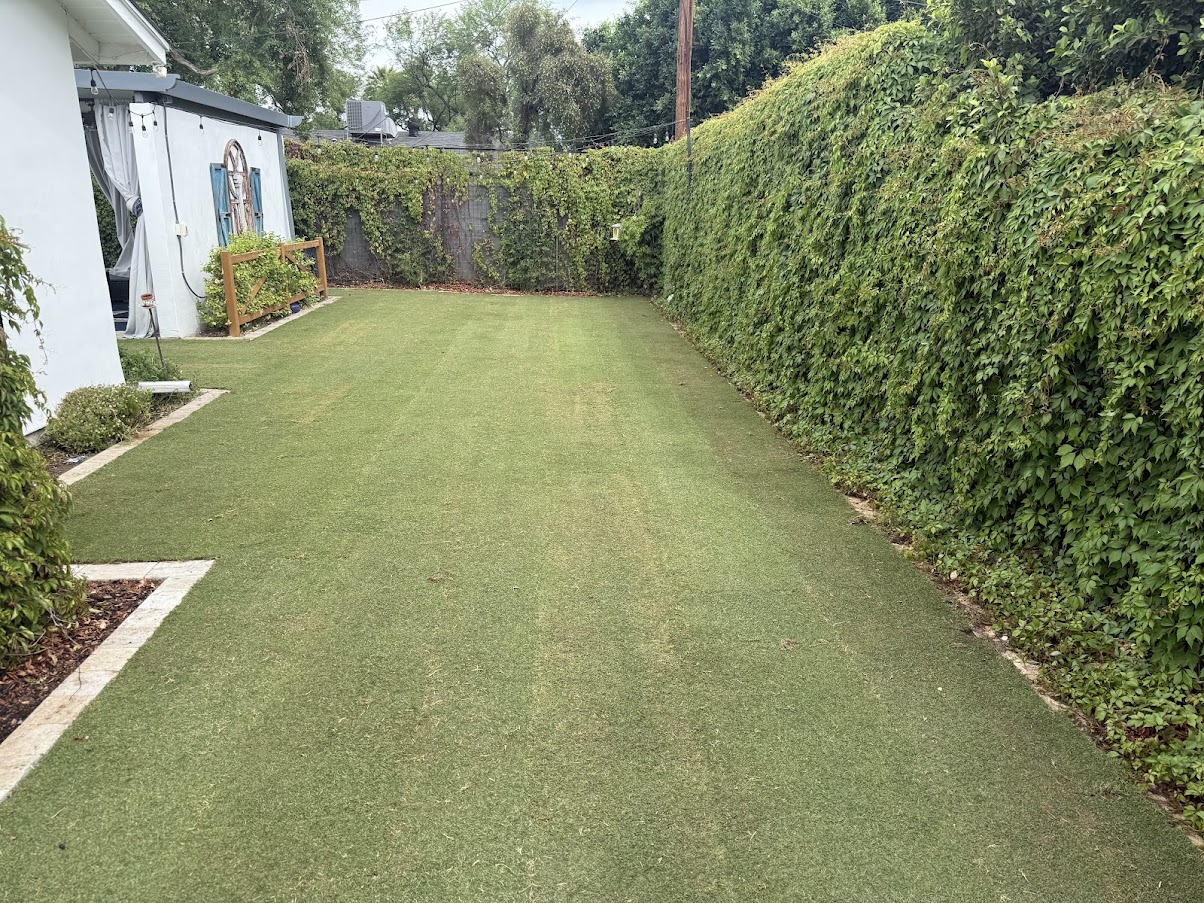 Picture this, you’re sitting around the campfire enjoying a beverage with friends and the conversation turns to your lawn, not you new 85” TV. You knew this was coming, your friends walked up on your tightly mowed lawn and each one of them bent down to see if it was real. “How is it possible that your lawn looks like this?” With a coy smile and a little white lie, you say I always wanted to be a Golf Course Superintendent, I went down quite the rabbit hole of turf management articles.
“So, what’s the key to a good lawn in the desert?” The answer is clearly two-fold. One, variety selection, and two, you have read enough to be dangerous. It’s unlikely that after reading a few articles you’re on the GC Supers level of turf knowledge, but with the right variety and information you could have the nicest lawn in the neighborhood.
Now that I have your attention let’s be serious for a minute. Would you buy a TV with 1960’s technology? You know, one of those 32” TV’s that weigh 500 pounds, doesn’t even have a remote and the color looks like that of a Commodore 64 computer. I dated myself with that reference, but you got the idea. Technology advances every day inelectronics, and it also advances in the turfgrass world. There are turf breeders and researchers all over the world trying to develop grass that uses less water, are genetically resistant to disease and insects, have the darkest green color, are heat/cold and drought tolerant, and can be maintained at a variety of heights. Now look outside your window at your lawn. Are you using 1960 technology or is your lawn on par with your new 8k HD TV. Don’t get me wrong, some of the greatest grasses ever bred were developed in the 60’s and are still used in golf courses today but that doesn’t mean they are the best choice. A full grass conversion isn’t always top of mind for homeowners, although it should be when you start thinking about ways to conserve water. Turfgrass research and development is not a short process. Breeders are in the labs and fields crossing varieties, looking for positive attributes, failing more often than succeeding, and watching grass for years before even discussing them with sod producers. After developing new varieties, they are sent to sod producers to grow their own test plots and analyze them for their needs. As a sod producer I often analyze 10 different grasses each year and while I find a lot of great attributes, I don’t always find the right attributes for us. What is great in Georgia, may not be great in Arizona and California. If we decide a particular grass is going to be one we would like to produce, we take the next step of securing a sod licensing agreement and start planting a field. This is not done on a whim. We generally have been looking at these grasses for a few years so by the time it hits our field many of these varieties have been in trials for 10 years or more. I bring this up because we often hear people say I’m nervous to try a grass that might not work in Arizona/California. I can tell you with certainty that if our farm produces the grass, it has been tested extensively and is right for the climate. Okay, enough analogies about TV’s and turfgrass. I want to talk about grasses you should be looking at now. The standbys are still very good, but there are new ones that are better.
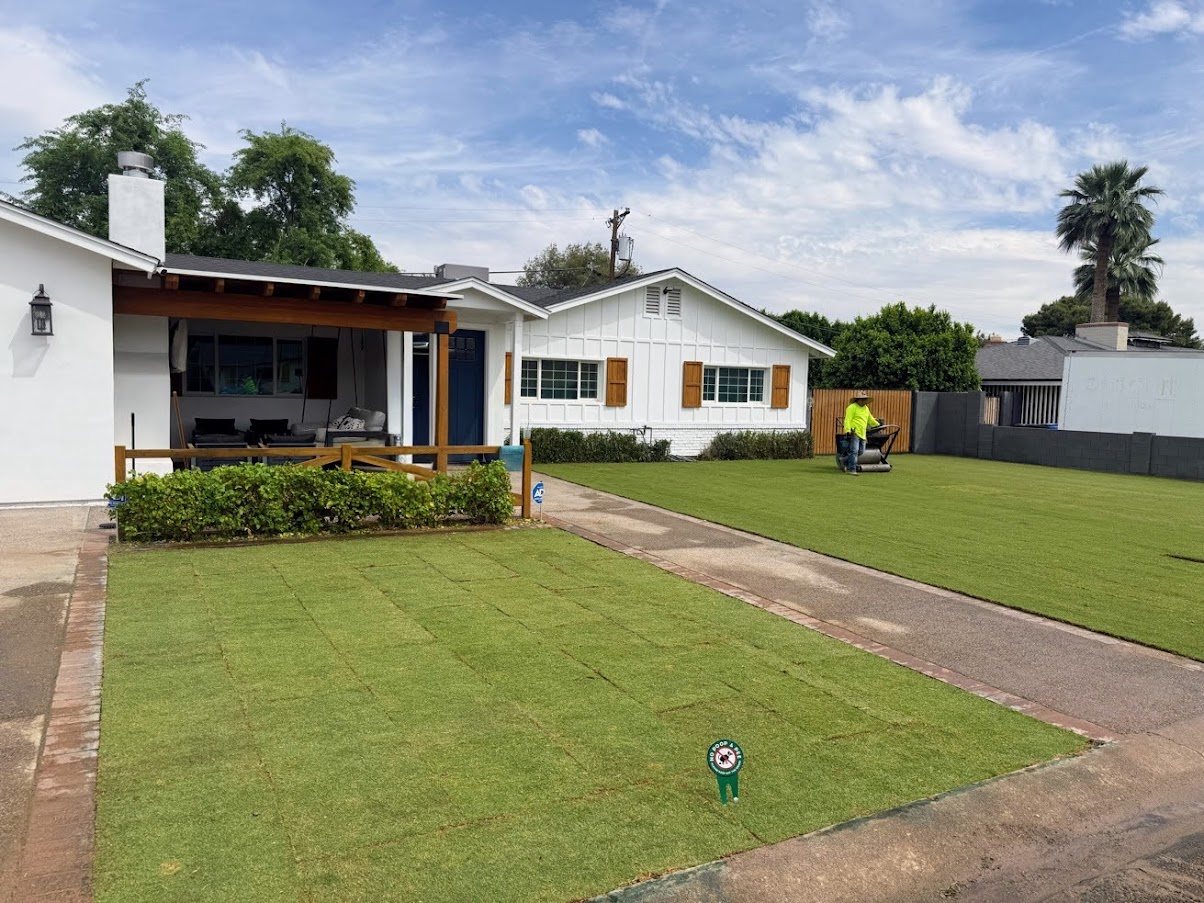 Starting with the newest variety out of UC Riverside, developed by Dr. Baird, is Coachella Bermudagrass. I want to start with the obvious, it was developed in the desert region of California. Most of the grass produced today comes from the south or east coast so having a west coast variety is a big step. Since it was developed in California you know that water conservation is one of the top characteristics he was looking at when breeding. Coachella Bermudagrass uses 15-25% less water than traditional bermudagrasses like Tifway 419 or Midiron. If you have a cool season lawn such as Tall Fescue it uses 40% less water. As cities reduce water allotments and drought continues, it’s important to use a grass that can survive long periods of lowwater use. What is another way to reduce water usage? How about not overseeding in the fall? Coachella provides excellent winter color retention. While it won’t stay green year-round in all areas, it does significantly close the gap. This past winter it did not go fully dormant as temperatures stayed mild and the color was fantastic. This was not the case for the older varieties as they quickly lost color as we dropped into the 50’s at night. Coachella has a dark blue green color, fine leaf blade making it ideal for golf courses, athletic fields, landscaping, and home lawns. It can be maintained from .300 to over 2 inches. Coachella Bermudagrass has recently been used at The Farm’s Golf Course in Rancho Sante Fe, and at Big Canyon Country Club in Newport Beach.
Download the Coachella spec sheet here: CoachellaBermuda.pdf
The second grass we will look at is Tahoma 31. Tahoma 31 was developed by Oklahoma State University, and it gets its name from the Native American, Tahoma, which means frozen water. It has the best cold tolerance of any grass on the market allowing it to grow anywhere from Chicago to Phoenix. Tahoma is second is none when it comes to providing a pristine playing surface, golf course fairway or home lawn. With its dark green color, fine leaf texture, and wide range of mowing heights from .125 inches to 2 inches it is one of the best grasses on the market. Similar to Coachella and Tiftuf that we will discuss later, it uses 20% less water than traditional Bermudagrasses. The deep root system, aversion to drought, pest and disease resistance you will find that it can be used in virtually any turfgrass situation. Tahoma is one of the best bermudagrasses for minimal shade but does prefer full sun. Tahoma has been a favorite of professional athletic fields and golf courses for the last few years, and we will continue to see it used more in the future. You can find Tahoma 31 at the City of Scottsdale civic center and sports complex, Dodger Stadium, Salt River Fields, Camelback Ranch, and Desert Mountain Golf Club.
Download the Tahoma 31 spec sheet here: Tahoma 31 Bermuda (1).pdf
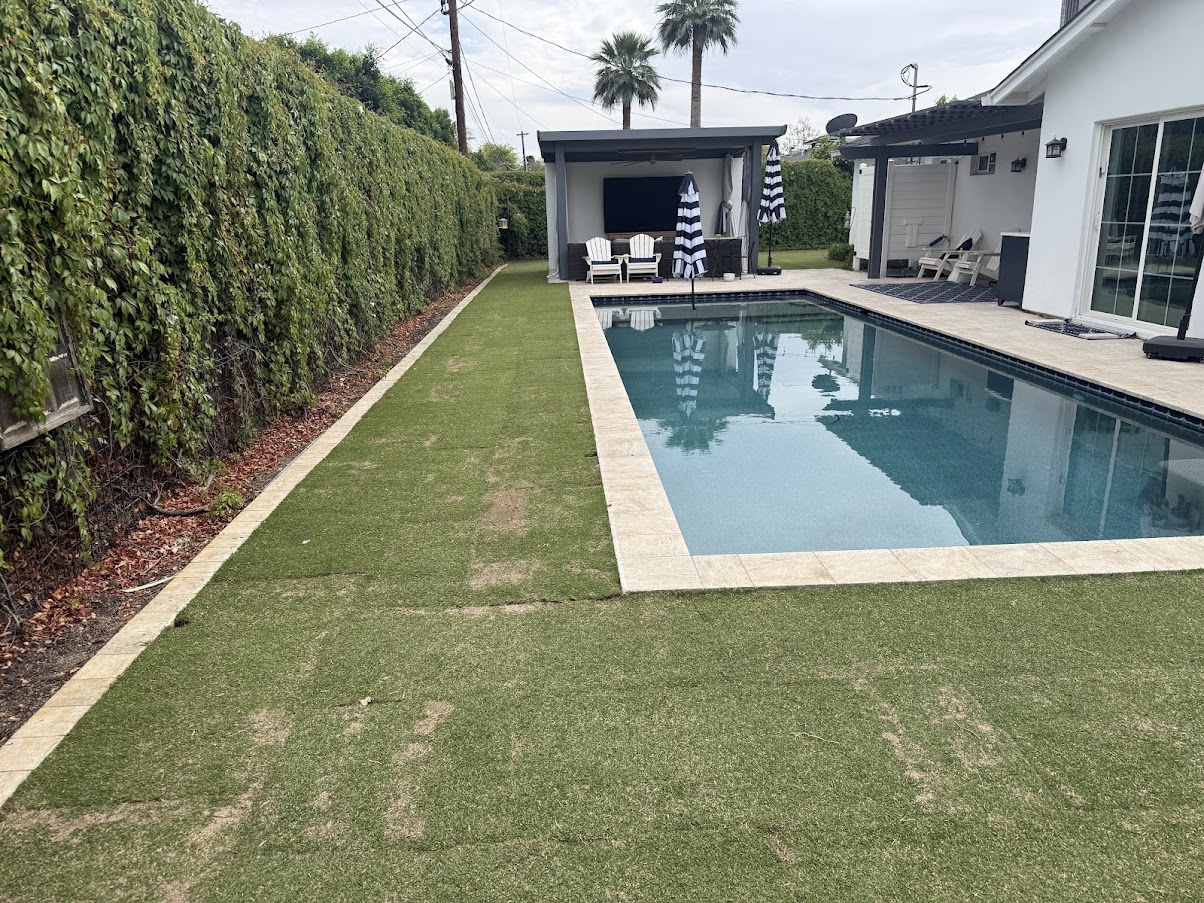 Tiftuf bermudagrass was developed out of the University of Georgia turfgrass with water savings in mind. It was selected for superior drought and wear tolerance with turfgrass quality front of mind. Tiftuf is part of the smart drop certified water savings program and has consistently been shown to use 15-25% less water than Tifway 419 or Midiron. The fine leaf texture and dark green leaf blade are just a couple of the other reasons professionals have chosen to use Tiftuf in new jobs. With its superior late fall color this is another grass that you could forgo overseeding with and reduce the dormancy period to just 2-3 months. This grass tolerates a mowing range between .500 and 2” making it ideal for reel or rotary mowers.
Download the Tiftuf spec sheet here: TifTuf (1).pdf
There is nothing quite like that feeling of watching every person that walks around the neighborhood bend down to touch your lawn to see if it’s real. Now that you have the perfect lawn, all that’s left to do is go shopping for those all white New Balance and watch your friends get green with envy.
Comments Off on Improved Bermudagrasses for Your California and Arizona Climates
Mar
Why NFL Players Prefer Tahoma 31—And Why It Matters for Elite Fields Across California and Arizona
When the best athletes in the world speak, the industry listens. A recent NFL player survey revealed a clear trend: players overwhelmingly prefer natural grass and among those surfaces, Tahoma 31 bermudagrass continues to rise to the top.
In fact, two out of three natural grass fields ranked “A” by NFL players are planted with Tahoma 31. That kind of feedback isn’t just impressive it’s a direct reflection of how performance-driven turf can elevate the game.
Performance That Shows Up on Game Day
Football demands a surface that can handle explosive movement, constant impact, and high-traffic wear. Tahoma 31 has proven itself in these conditions, delivering exceptional durability, traction, and consistency.
At San Francisco 49ers home field at Levi’s Stadium ranked #2 in player satisfaction. West Coast Turf plays a key role in delivering that elite playing surface. It’s a testament to how the right grass, grown and installed with precision, can directly impact player experience.
The Exclusive Source for Tahoma 31 in California and Arizona
West Coast Turf is proud to be the exclusive grower of Tahoma 31 bermudagrass in California and Arizona, bringing this top-performing turf to stadiums, training facilities, and premier venues throughout the region.
For facility managers, this means access to a grass variety that is not only player-preferred, but also engineered for the environmental challenges of the Southwest heat, drought, and heavy use.
Trusted by Iconic Stadiums
As baseball season kicks off, it’s the perfect time to highlight just how many premier venues trust West Coast Turf to deliver championship-level surfaces.
From Major League Baseball to world-class soccer and football venues, our work can be seen at:
- Dodger Stadium
- Angel Stadium
- Sutter Health Park (home of the A’s in Sacramento)
- Rose Bowl
- Los Angeles Memorial Coliseum
- Stanford Stadium
- BMO Stadium (home of LAFC)
These venues demand nothing short of excellence and that’s exactly what Tahoma 31 delivers.
Built for California and Arizona Conditions
Tahoma 31 isn’t just about performance on game day it’s about sustainability and reliability year-round. Known for its drought tolerance, wear resistance, and early spring green-up, it’s uniquely suited for climates like California and Arizona where water efficiency and durability are critical.
For stadium operators, municipalities, and sports complexes, that means fewer compromises and more confidence in the surface beneath every play.
The Future of Natural Grass Is Here
The message from players is clear: natural grass matters. And not all grass is created equal.
Tahoma 31 represents the next evolution of sports turf—combining elite performance, player safety, and environmental resilience. At West Coast Turf, we’re proud to lead the way, delivering surfaces that meet the highest standards in the game.
Because when performance is on the line, the foundation matters. For more information, visit westcoastturf.com
Comments Off on Why NFL Players Prefer Tahoma 31—And Why It Matters for Elite Fields Across California and Arizona
Mar
Your Arizona and California Lawn Is Not Ready for This Heat — Here’s What to Do Right Now
It’s mid-March, but nobody told the thermometer.
Right now, California and Arizona are in the grips of one of the most extraordinary heat events ever recorded for this time of year. Temperatures across Southern California are surging into the upper 90s, while parts of Arizona and the Desert Southwest are expected to hit between 103°F and 109°F this week — levels that are 20 to 30 degrees above normal for mid-March. The National Weather Service has issued an Extreme Heat Warning, and forecasters are calling this potentially the earliest such warning ever issued for the region.
This isn’t summer. Your lawn hasn’t been conditioned for it. And that’s exactly the problem.
Why This Heat Is Different
In a typical Arizona or California summer, turf has had weeks — sometimes months — to gradually adjust to rising temperatures. Grass builds heat tolerance slowly as the season progresses. Root systems deepen, watering routines are established, and the lawn enters a kind of protective mode that helps it survive intense heat.
But a sudden, record-shattering heat dome in March catches your turf completely off guard. Cool-season grasses that are still in their active spring growth phase are especially vulnerable. Even warm-season varieties like Bermuda, which thrive in desert heat during summer, haven’t had time to fully come out of dormancy and build their heat defenses. The result? Rapid moisture loss, heat stress, and potential for serious, lasting damage — all in just a matter of days.
How to Protect Your Turf Right Now
Water more — and water smarter. During extreme heat, your lawn can lose moisture at double or triple the normal rate. Increase your irrigation frequency immediately, but water during the early morning hours (ideally between 4–8 a.m.) to minimize evaporation and reduce the risk of fungal issues. Avoid watering in the heat of the afternoon; it evaporates before it can penetrate the root zone.
Don’t mow during the peak heat. If your grass needs a cut, do it early in the morning and raise your mower blade. Taller grass shades its own root zone, retains more moisture, and handles heat stress far better than a closely cropped lawn. Now is absolutely not the time for a short cut.
Lay off the fertilizer. Applying nitrogen-heavy fertilizer during a heat event pushes the grass to grow at exactly the wrong time, increasing stress and the risk of burn. Hold off until temperatures return to normal.
Provide temporary shade where you can. For smaller or high-priority areas — like newly installed sod — shade cloth can make a real difference in survival rates during extreme heat spikes.
Watch for warning signs. If your lawn starts showing a blue-gray tint, footprints linger longer than usual, or blades begin to curl, your grass is telling you it’s stressed. Act fast — increase watering immediately.
The Bottom Line
This heat wave is historic and abnormal, and it demands a response that’s outside your normal spring routine. Your turf is resilient, but it needs your help right now. A little extra attention this week can be the difference between a lawn that bounces back beautifully and one that requires costly repairs come April.
At West Coast Turf, we’re here to help you navigate conditions just like this. Have questions about your specific turf variety or need guidance on emergency care? Give us a call — we know this region, and we know your grass. For more information, visit westcoastturf.com
Comments Off on Your Arizona and California Lawn Is Not Ready for This Heat — Here’s What to Do Right NowMar
First Impressions Start at the Curb — How to Get Your Lawn Sale-Ready
Before a buyer ever sets foot inside your home, they’ve already formed an opinion. It happened the moment they pulled up out front.
Real estate professionals consistently rank curb appeal among the top factors influencing a buyer’s first impression — and in competitive markets like Southern California and Arizona, where outdoor living is part of the lifestyle people are paying for, your lawn can be the difference between a showing that generates an offer and one that doesn’t. The good news? You don’t need months of work or a massive budget to make a dramatic difference. A focused, intentional turf prep plan in the weeks before listing can add real perceived value to your home.
Here’s how to do it right.
Start with a Honest Assessment
Walk to the street and look at your lawn the way a buyer would — as a stranger seeing it for the first time. Note any bare patches, brown spots, uneven growth, weeds creeping into the edges, or areas where the grass looks thin and tired. These are your priorities. Buyers don’t see “fixable problems” — they see maintenance headaches and negotiating leverage. Your job is to eliminate as many of those mental red flags as possible before the first photo is taken.
Time Your Sod Installation Strategically
If your lawn has significant bare or dead patches, fresh sod is one of the highest-ROI investments you can make before a sale. A lush, uniform lawn photographs beautifully and signals to buyers that the home has been well cared for. In the warm climates of California and Arizona, sod can establish quickly — but you’ll want to install it at least three to four weeks before listing to give it time to root properly and look its best. Don’t wait until the week before. Newly laid sod that hasn’t fully knit together looks exactly like what it is.
Edge Like You Mean It
Clean, sharp edges along driveways, walkways, and garden beds make an enormous visual difference and cost nothing but a little time. Crisp lines communicate care and attention to detail — qualities buyers instinctively transfer to their assumptions about how the rest of the home has been maintained. Rent or borrow a dedicated lawn edger if needed. The before-and-after effect is immediate and striking.
Get the Color Right
A yellowing or dull lawn can often be brought back with a targeted application of iron or a balanced fertilizer — but timing matters. Apply too close to listing day and you risk uneven results or burn. Aim to fertilize four to six weeks out so the lawn has time to respond evenly and green up fully before photos and showings begin. In Arizona and Southern California, iron sulfate applications are particularly effective at deepening color without the excessive growth that nitrogen-heavy products can trigger.
Don’t Neglect Watering Consistency
The weeks leading up to a listing are not the time to let irrigation slip. An inconsistent watering schedule shows up fast — in dry patches, stressed blades, and that telltale blue-gray tint that signals a thirsty lawn. Set your system on a reliable schedule and check heads for coverage gaps. Buyers touring homes notice everything, including a sprinkler head that’s clearly not doing its job.
Your lawn is marketing. In a region where outdoor space is a genuine selling point, a well-kept, green, healthy turf tells buyers this home is worth what you’re asking. A neglected one quietly tells them the opposite.
At West Coast Turf, we help homeowners get their lawns sale-ready fast — with premium sod varieties perfectly suited for California and Arizona climates. Whether you need a full installation or just the right guidance, we’re a call away. For more information, visit westcoasturf.com
Comments Off on First Impressions Start at the Curb — How to Get Your Lawn Sale-ReadyJul
The Ultimate Guide to Summer Turf Care in California and Arizona
Summer in California and Arizona brings intense heat, low humidity, and long, sunny days—conditions that can be challenging for maintaining a lush, healthy lawn. But with the right turf care strategies, your grass can thrive even during the hottest months. Here’s your ultimate guide to keeping your turf in peak condition this summer.
1. Choose the Right Turfgrass Variety
The foundation of summer natural grass success starts with choosing the right variety. In the Southwest, warm-season grasses like Bermudagrass, TifTuf, and Tahoma 31 are ideal choices. These varieties are drought-tolerant, heat-resistant, and bounce back quickly from wear and tear. West Coast Turf offers these high-performance options, specially cultivated for California and Arizona climates.
2. Water Wisely
Efficient irrigation is essential in summer. Instead of watering every day, focus on deep, infrequent watering to encourage strong root growth. Early morning is the best time to water—before 8 a.m.—to reduce evaporation and fungal growth. Make sure your irrigation system is properly adjusted to avoid runoff and uneven coverage.
3. Mow Smart
Raise your mower blade during the summer months. Taller grass blades provide more shade to the soil, reducing evaporation and helping roots grow deeper. Never remove more than one-third of the blade length at a time, and always mow with sharp blades to avoid stressing the turf.
4. Fertilize Appropriately
Feeding your lawn during the growing season is critical, but timing and type matter. Use a slow-release nitrogen fertilizer to sustain steady growth without burning the turf. Avoid over-fertilizing during peak heat—it can stress the grass. Consult with your local West Coast Turf specialist for a fertilization plan tailored to your grass type and region.
5. Control Weeds and Pests
Summer conditions can lead to an increase in weeds and insect activity. Keep your turf dense and healthy to naturally crowd out weeds. Monitor for pests such as grubs and chinch bugs, and use targeted treatments if necessary. Integrated pest management practices are ideal for minimizing chemical use while maintaining control.
6. Aerate If Needed
Compacted soil can prevent water, air, and nutrients from reaching roots. If your lawn feels spongy or has heavy foot traffic, core aeration can relieve compaction and improve turf performance. Aerating in early summer can give your lawn a mid-season boost.
7. Stay Consistent
The key to summer turf care is consistency. Stick to a regular mowing, watering, and maintenance schedule. A little attention each week will prevent problems and keep your turf looking great all season long.
Summer lawn care in California and Arizona comes with its challenges, but with the right grass, tools, and techniques, you can maintain a beautiful, resilient yard. At West Coast Turf, we’re here to provide expert guidance and the highest quality sod for your unique climate. Contact us today to learn more about our summer-ready turfgrass options!
Visit westcoastturf.com for more information and be sure to follow us on socials.
Comments Off on The Ultimate Guide to Summer Turf Care in California and Arizona
Apr
Earth Day Starts at Home: Sustainable Lawns for Arizona & California
When you think of Earth Day, you probably picture recycling drives, park clean-ups, or planting a tree — but the biggest environmental impact you can make might be right outside your door. In Arizona and California, where water conservation is a year-round priority, choosing the right grass is more than a landscaping decision — it’s a commitment to a healthier planet.
At West Coast Turf, we’re proud to grow and supply sod that not only looks great but also helps protect the natural resources of the place we all call home.
The Eco-Friendly Lawn Revolution
In the past, a “perfect” lawn usually meant high water bills, heavy fertilizer use, and a lot of maintenance. But times have changed, and so has the definition of a great yard. More and more Arizona and California homeowners are embracing warm-season grasses and drought-tolerant options as part of an eco-friendly lifestyle.
Warm-season grasses like Bermudagrass and Seashore Paspalum are specifically designed for the sunny, dry conditions common in the Southwest. These grasses:
✔️ Require less water than cool-season grasses
✔️ Handle extreme heat with ease
✔️ Stay green and durable in high-traffic areas
✔️ Promote healthy soil and reduce runoff
For areas where water restrictions are tight or for homeowners looking for even more sustainable options, Kurapia ground cover and native grass blends are excellent alternatives that reduce irrigation needs even further while adding visual beauty and biodiversity to your landscape.
Beyond Grass: Natural Lawns vs. Artificial Turf
Artificial turf is often marketed as a “green” solution — but in reality, it lacks nearly all of the environmental benefits of living grass. Natural lawns:
- Absorb carbon dioxide and release oxygen
- Cool the surrounding environment (artificial turf can reach dangerously high temperatures)
- Filter stormwater and help replenish groundwater
- Support local wildlife and biodiversity
On Earth Day and every day, investing in a real, living landscape helps keep your yard healthier and the environment cleaner.
Smart Lawn Care for the Seasons
Another way Arizona and California homeowners can be eco-friendly is by adjusting seasonal lawn care.
Winter overseeding — often done for a year-round green appearance — comes at the cost of extra water during the cooler months. On the other hand, allowing your warm-season grass to go dormant over winter (called winter rest) saves water and gives your lawn a natural break before it reawakens in spring.
It’s a simple choice that helps your landscape work with the seasons, rather than against them.
Your lawn can do more than just look great — it can make a real difference. Choosing the right sod, using water wisely, and prioritizing living landscapes over synthetic shortcuts are all ways to create a more sustainable outdoor space for your family and future generations.
At West Coast Turf, we’re committed to providing California and Arizona homeowners with the highest-quality, environmentally smart sod options. Whether you’re installing a new lawn or upgrading an old one, your choices today can help shape a greener tomorrow.
Visit westcoastturf.com to explore our warm-season grass varieties and expert resources. Let’s grow greener, together.


