
Sep
Fall Overseeding Preparation: Get Your Lawn Ready for a Greener Season
As temperatures begin to cool across California and Arizona, fall is an ideal time to prepare your lawn for reseeding. Warm-season grasses can slow down or become dormant during cooler months, leaving lawns looking less vibrant. Fall reseeding, also known as overseeding, can help maintain a lush, green appearance throughout the cooler season while preparing your lawn for healthy growth when spring arrives.
Whether you manage a residential lawn, commercial property, golf course, sports field, or landscape project, proper preparation is essential for successful fall reseeding.
Start by Evaluating Your Existing Turf
Before reseeding, take a close look at the condition of your existing lawn. Identify thin areas, bare spots, weeds, compacted soil, and areas that receive too much or too little water. Understanding the condition of your turf will help determine whether overseeding is appropriate or whether replacing sections with new sod or turf may be a better option.
A healthy foundation gives new seed the best opportunity to establish.
Mow and Prepare the Lawn
One of the most important steps in fall reseeding preparation is mowing the existing grass slightly shorter than usual. This allows more sunlight to reach the soil and gives new seed better contact with the ground.
Remove excess grass clippings, leaves, and other debris from the lawn. Thatch buildup can also prevent seed from reaching the soil, so dethatching or light aeration may be beneficial when necessary.
Aerate Compacted Soil
Compacted soil can make it difficult for water, nutrients, and oxygen to reach the root zone. Aerating the lawn before reseeding creates small openings that allow seed to make better contact with the soil and encourages stronger root development.
This step can be especially helpful in high-traffic areas, including sports fields, golf course turf, and commercial landscapes.
Choose the Right Seed
Selecting the right grass seed is critical for fall overseeding success. Climate, sun exposure, soil conditions, irrigation, and intended use should all be considered when selecting turf.
For California and Arizona properties, choosing turf and seed varieties suited to the region can help improve establishment and long-term performance. West Coast Turf provides turf solutions throughout the Southwest, helping customers select products suited to their specific landscape needs.
Adjust Your Watering
After reseeding, consistent moisture is important while new grass establishes. The goal is to keep the soil surface adequately moist without creating standing water or oversaturating the lawn.
As the new turf becomes established, watering frequency can gradually be reduced while encouraging deeper root growth.
Prepare Now for a Better Lawn
Fall reseeding preparation is about more than simply spreading seed. Proper mowing, soil preparation, aeration, seed selection, and irrigation all contribute to successful turf establishment.
For homeowners, landscapers, golf courses, sports facilities, and commercial properties throughout California and Arizona, working with an experienced turf provider can make the process easier and more successful.
West Coast Turf provides high-quality sod and turf solutions designed for the unique growing conditions of the Southwest. From lawn replacement to new installations and seasonal turf preparation, choosing the right turf can help create a healthier, more attractive landscape year-round.
For more information visit westcoastturf.com
No CommentSep
How Weather Impacts Athletic Turf Grown in California and Arizona
When it comes to athletic field turf, where the grass is grown matters. California and Arizona produce some of the most durable natural grass sod in the country, but each region offers different growing conditions that can influence how turf performs once it is installed.
At West Coast Turf, we grow and supply premium sod throughout California and Arizona, giving sports facilities, schools, parks, and athletic organizations access to turf varieties selected for warm climates, heavy use, and challenging weather conditions.
California Grown Turf and Changing Weather Conditions
California’s diverse climate provides excellent growing conditions for a variety of turfgrass. Depending on the region, California-grown sod can experience coastal temperatures, inland heat, dry conditions, and seasonal rainfall.
Warm-season grasses such as Bermudagrass thrive in California’s warmer regions. They perform especially well during the summer months when temperatures are high and athletic fields experience increased use.
California grown turf also benefits from the state’s long growing season, allowing sod producers to cultivate strong, established grass with healthy root systems before it reaches its final destination.
Arizona Grown Turf Built for the Heat
Arizona presents an entirely different growing environment. With intense sunshine, extremely high summer temperatures, and very low humidity, turf grown in Arizona must be able to handle some of the toughest conditions in the Southwest.
Warm-season Bermudagrass is particularly well suited for Arizona’s climate. Varieties such as TifTuf Bermuda and Tahoma 31 are known for heat tolerance, drought resistance, and their ability to recover from wear.
Because Arizona-grown turf is cultivated in a hot, dry environment, it is naturally conditioned to perform in areas where summer temperatures can be extreme. This makes Arizona sod an excellent option for athletic facilities and other high-traffic applications throughout the Southwest.
Weather Helps Shape Stronger Turf
Weather isn’t just something turf has to deal with after installation. It also plays an important role while sod is being grown.
Temperature, sunlight, rainfall, humidity, and irrigation all influence how turf develops. Growing sod under conditions similar to the environment where it will ultimately be installed can help produce grass that is better prepared to establish and perform.
That’s one reason locally and regionally grown sod can be such a valuable choice for athletic fields in California and Arizona.
The Right Turf for the Right Climate
Not all natural grass is the same, and not every turf variety performs equally well in every climate. Selecting a grass that is suited to the local weather conditions can make a significant difference in establishment, appearance, durability, and long-term performance.
West Coast Turf grows and supplies premium natural grass sod throughout California and Arizona, including a variety of Bermudagrass options for athletic fields and other high-use applications.
Whether you’re looking for athletic field sod in California, sports turf in Arizona, or durable natural grass for a school, park, stadium, or recreational facility, choosing turf grown for the Southwest climate is an important first step.
West Coast Turf has been growing premium sod in California and Arizona for decades. Contact us to find the right turfgrass variety for your next athletic field or sports turf project. For more information visit: westcoastturf.com
No CommentSep
5 Signs Your Arizona and California Lawn Needs New Sod
A healthy lawn can transform the look and feel of your home, but even the best-maintained grass can eventually become thin, damaged, or difficult to maintain. In California and Arizona, intense heat, drought, heavy foot traffic, pests, and changing water conditions can take a toll on natural grass.
If your lawn seems to be struggling despite regular watering and maintenance, it may be time to consider new sod. Here are five signs that your lawn may benefit from a fresh start.
1. Your Lawn Has Large Bare or Thin Areas
A few bare spots can often be repaired with seed or small patches of sod. However, when large portions of your lawn are thin, brown, or completely bare, spot repairs may no longer be the best solution.
Widespread bare areas can be caused by drought stress, excessive traffic, poor soil conditions, pests, or grass varieties that aren’t well suited to your local climate. Installing new sod provides an opportunity to replace damaged turf with a healthier grass variety selected for California or Arizona growing conditions.
2. Weeds Are Taking Over
If weeds seem to be competing with your grass for every inch of your lawn, it may be a sign that the existing turf is too weak or thin to effectively compete.
A lawn with significant weed coverage can require ongoing treatments and maintenance. In some cases, removing the existing lawn and installing new sod can provide a cleaner, more uniform starting point.
Choosing the right sod for your region can also help establish a dense lawn that is better equipped to withstand weeds, heat, and everyday use.
3. Your Lawn Isn’t Recovering From Heat or Drought
California and Arizona lawns can take a beating during hot, dry weather. Even drought-tolerant grasses have limits, especially when temperatures remain high for extended periods.
If your lawn continues to struggle after the weather improves and proper irrigation resumes, the existing grass may have suffered significant damage.
Replacing an unhealthy lawn with a warm-season turfgrass such as Bermudagrass can be an effective way to create a more resilient landscape. The right variety can provide excellent heat tolerance while maintaining an attractive, functional lawn.
4. The Lawn Is Uneven or Damaged From Heavy Use
Kids, pets, outdoor gatherings, and everyday foot traffic can gradually wear down a lawn. Over time, high-use areas may become compacted, thin, muddy, or uneven.
If you’re constantly repairing the same areas, installing new sod may be a more practical long-term solution. Before new turf is installed, the soil can be properly prepared and graded, creating a better foundation for healthy root development.
5. You’re Spending More Time Fixing Your Lawn Than Enjoying It
Sometimes the biggest sign that you need new sod is simply the amount of time and money you’re spending trying to save an existing lawn.
If you’re continually dealing with bare spots, weeds, irrigation issues, pests, discoloration, and damaged grass, a complete lawn renovation may make more sense than continuing with individual repairs.
New sod can provide an immediate transformation while giving your lawn a fresh, healthy foundation.
Give Your Lawn a Fresh Start With West Coast Turf
A struggling lawn doesn’t have to stay that way. West Coast Turf grows and supplies premium natural grass sod throughout California and Arizona, with turf varieties selected for the region’s demanding climate.
Whether you’re replacing a small residential lawn or renovating a larger landscape, the right sod can provide a beautiful, durable surface designed to thrive in the Southwest.
Think your lawn needs new sod? Contact West Coast Turf to explore the right natural grass option for your California or Arizona property. For more information, visit: westcoastturf.com
No CommentSep
Why Proper Turf Selection Matters for Golf Courses
A great golf course starts with the right turf. From tees and fairways to roughs and practice areas, choosing the appropriate grass variety can have a major impact on playability, appearance, maintenance, and long-term performance.
For golf courses throughout California and Arizona, turf selection is especially important. Hot temperatures, drought conditions, water restrictions, and heavy play create unique challenges that require grass varieties specifically suited to the Southwest climate.
The Right Turf Performs Better in Local Conditions
Not every turfgrass variety is designed for the same environment. A grass that performs well in a cool, humid climate may struggle in the heat and dry conditions found throughout California and Arizona.
Warm-season grasses such as Bermudagrass are popular choices for golf courses in the Southwest because they thrive during periods of warm weather and can handle high temperatures and significant use.
Selecting turf that is well suited to the local climate helps golf course managers establish healthier grass and maintain consistent playing conditions throughout the growing season.
Turf Selection Can Impact Water Use
Water management is a major consideration for golf courses, particularly in drought-prone areas of California and Arizona.
The right turfgrass variety can help a course make more efficient use of available water. Some modern Bermudagrass varieties offer improved drought tolerance and can maintain strong performance under challenging conditions.
Choosing the right grass from the beginning can be an important part of developing a long-term irrigation and water-management strategy.
Playability Starts With the Grass
Golfers notice the condition of the course. The turf on fairways, tees, and other playing surfaces needs to provide consistent footing, predictable ball interaction, and an attractive appearance.
Different areas of a golf course may also require different turf characteristics. Tees need to withstand repeated divots and heavy traffic, while fairways require turf that provides a consistent playing surface and recovers quickly from use.
Selecting the right grass for each application can help golf course superintendents maintain the conditions golfers expect.
Quality Sod Helps With Establishment
When renovating a golf course or replacing damaged turf, high-quality sod can provide an advantage over starting from seed. Established sod can create an immediate playing surface while helping shorten the time required for a project to become functional.
However, the quality and variety of the sod matter. Turf that is grown specifically for the demands of California and Arizona golf courses can provide a strong foundation for successful establishment.
California and Arizona Golf Courses Need the Right Turf
From the California coast to the Arizona desert, growing conditions can vary significantly. That makes selecting turf based on local climate, intended use, water availability, and maintenance practices essential.
West Coast Turf grows and supplies premium natural grass sod throughout California and Arizona, offering turfgrass varieties suited for golf courses and other demanding applications.
Whether you’re renovating fairways, replacing tees, upgrading practice facilities, or planning a new golf course project, choosing the right turf is an investment in the course’s long-term performance.
Looking for golf course turf in California or Arizona? Contact West Coast Turf to learn more about turfgrass varieties and sod solutions for your next golf course project. For more information visit: westcoastturf.com
No CommentJul
Summer Weed Control: How to Keep Your Lawn Healthy During the Hottest Months
Summer is when your lawn should be at its best but it’s also when weeds can quickly take advantage of stressed turf. High temperatures, inconsistent watering, and heavy foot traffic can weaken your grass, giving invasive weeds the perfect opportunity to spread. The good news? A healthy, well-maintained lawn is your first and best defense against unwanted weeds.
At West Coast Turf, we know that thriving natural grass starts with proper summer care. Here are some tips to help keep weeds under control while maintaining a lush, healthy lawn all season long.
Why Weeds Thrive in Summer
Many common summer weeds, including crabgrass, spurge, nutsedge, and purslane, flourish in hot weather. They often invade lawns where the turf has thinned due to drought stress, mowing too short, or poor irrigation. Once established, these weeds compete with your grass for water, nutrients, and sunlight, making it even harder for your lawn to recover.
The key is preventing weeds before they gain a foothold.
Keep Your Lawn Thick and Healthy
The healthiest lawns naturally crowd out weeds. Dense turf leaves little room for weed seeds to germinate and establish.
To encourage strong growth:
- Water deeply but less frequently to promote deep root development.
- Fertilize according to your grass variety and local growing conditions.
- Repair thin or damaged areas before weeds have a chance to invade.
- Avoid excessive foot traffic during periods of extreme heat.
Healthy grass is your lawn’s best weed control strategy.
Mow Smart During Hot Weather
One of the biggest mistakes homeowners make during summer is mowing too short.
Keeping your lawn slightly taller provides several benefits:
- Shades the soil, helping reduce weed seed germination.
- Keeps root systems cooler during extreme temperatures.
- Reduces moisture loss from the soil.
- Encourages healthier, thicker turf.
Remember the one-third rule: never remove more than one-third of the grass blade during a single mowing.
Water Wisely
Overwatering can be just as harmful as underwatering. Shallow, frequent watering encourages weak roots while creating favorable conditions for certain weeds.
Instead:
- Water early in the morning.
- Apply enough water to soak the soil several inches deep.
- Allow the surface to dry between watering cycles.
Deep-rooted turf is far more resilient during the summer heat.
Remove Weeds Early
The sooner weeds are removed, the easier they are to control. Pull isolated weeds by hand before they produce seeds, and monitor your lawn regularly for new growth.
For larger infestations, selective herbicides may be appropriate, but they should be applied carefully and according to label directions. During periods of extreme heat, many herbicides can stress your lawn, so timing is important.
Start with Quality Turf
One of the best ways to reduce weed problems is by installing premium-quality sod. A professionally grown lawn establishes quickly, forms a dense canopy, and leaves fewer opportunities for weeds to emerge.
At West Coast Turf, our premium natural grasses are cultivated for exceptional density, durability, and performance throughout California and Arizona’s warm climates. Whether you’re installing a new lawn or renovating an existing one, quality turf provides a healthier, more weed-resistant foundation.
Enjoy a Weed-Free Summer
Summer doesn’t have to be a constant battle against weeds. With proper mowing, watering, and routine maintenance, your lawn can remain thick, green, and resilient even during the hottest months.
A healthy lawn isn’t just more beautiful, it’s naturally better equipped to keep weeds where they belong: out of your yard.
West Coast Turf is proud to help homeowners, landscapers, and sports facilities grow stronger, healthier natural grass that’s built to thrive all summer long. For more information visit westcoastturf.com
Comments Off on Summer Weed Control: How to Keep Your Lawn Healthy During the Hottest Months
Jul
World-Class Turf for the World’s Biggest Stage: West Coast Turf at San Francisco Bay Area Stadium
When the world’s best soccer players step onto the pitch at Levi’s Stadium during the FIFA World Cup 2026™, they’ll be competing on more than just a field they’ll be playing on a surface built for excellence. That surface comes from West Coast Turf, whose premium natural grass is helping deliver the elite playing conditions demanded by FIFA on one of the biggest stages in sports.
Hosting the FIFA World Cup requires far more than simply installing sod. Every pitch must meet FIFA’s rigorous performance standards for consistency, player safety, ball roll, traction, and durability. Years of research and collaboration between FIFA, turfgrass scientists, and industry leaders have produced innovative natural grass systems capable of performing under the intense demands of international competition.
At Levi’s Stadium, West Coast Turf supplied the premium Bermudagrass used for the tournament. The field incorporates a hybrid reinforcement system, where synthetic fibers are stitched into the natural turf after installation. This creates a stronger root structure that helps the playing surface remain stable throughout six World Cup matches while preserving the look, feel, and performance of natural grass.
For players, the difference is significant. Natural grass offers predictable footing, consistent ball movement, and a playing surface that responds naturally to every sprint, tackle, and pass. It also helps reduce field movement and divoting during heavy play, allowing athletes to focus on the game, not the ground beneath them. The hybrid reinforcement system provides added stability while maintaining the authentic characteristics players expect from a world-class natural grass pitch.
Levi’s Stadium already has a reputation for maintaining one of the premier natural grass fields in professional sports. For the World Cup, that standard was elevated even further. West Coast Turf’s expertise in cultivating high-performance sports turf ensures the field is prepared to withstand the demands of one of the largest sporting events in history while delivering exceptional visual appeal for millions of fans watching around the globe.
This moment represents more than a milestone for West Coast Turf. It reflects decades of innovation, research, and dedication to producing championship quality natural grass for professional sports venues, golf courses, municipalities, and residential landscapes throughout California and Arizona.
From Major League Baseball and the NFL to collegiate athletics and now the FIFA World Cup, West Coast Turf continues to demonstrate why natural grass remains the gold standard for elite competition. Every blade of grass installed at Levi’s Stadium represents the company’s commitment to quality, performance, and sustainability.
As millions of fans tune in to watch unforgettable World Cup moments unfold, West Coast Turf is proud to know that every goal, every save, and every historic match at Levi’s Stadium begins with a world-class natural grass playing surface.
Because championship moments deserve championship turf. For more information visit westcoastturf.com
Comments Off on World-Class Turf for the World’s Biggest Stage: West Coast Turf at San Francisco Bay Area Stadium
Jun
The Grass Behind the Game: Why Quality Turf Matters During Baseball Season
With baseball season in full swing, fans across the country are focused on home runs, diving catches, and championship dreams. But behind every great play is something often overlooked the grass beneath the players’ feet.
From professional stadiums to local community ballparks, quality natural turf plays a critical role in the game. As teams settle into the heart of the season, groundskeepers work tirelessly to maintain safe, durable, and visually stunning playing surfaces that can withstand the demands of daily competition.
At West Coast Turf, we understand that great baseball starts from the ground up.
More Than Just a Green Field
When fans watch a baseball game, they see perfectly striped outfields and vibrant green grass. What they may not realize is that healthy turf directly impacts player performance and safety.
A properly maintained natural grass field provides consistent footing, helps reduce field temperatures, and creates predictable ball movement. Whether an outfielder is sprinting toward a fly ball or an infielder is reacting to a hard-hit grounder, the quality of the turf can make a significant difference.
Natural grass also offers environmental benefits, including oxygen production, dust reduction, and cooling effects that help make outdoor spaces more comfortable during the summer months.
Built to Handle Heavy Use
Baseball fields endure tremendous wear throughout the season. Between practices, games, tournaments, and community events, turf must recover quickly while maintaining its appearance and playability.
That’s why many sports facilities rely on premium sod varieties designed for durability and performance. Dense root systems help turf withstand heavy foot traffic, while proper maintenance practices encourage rapid recovery after use.
The same qualities that make grass ideal for baseball fields can benefit homeowners as well. A healthy lawn can better handle backyard activities, family gatherings, pets, and everyday use without sacrificing its beauty.
Summer Is Peak Turf Season
As temperatures rise and baseball schedules become busier, summer becomes one of the most important times of year for turf management. Proper irrigation, mowing, and fertilization help keep grass healthy during periods of heat and stress.
Groundskeepers carefully monitor moisture levels to promote strong root growth while preventing disease and excessive wear. Homeowners can take a similar approach by watering deeply, mowing at the appropriate height, and addressing lawn issues before they become larger problems.
Investing in lawn health during the summer helps ensure long-term success throughout the year.
The Importance of Quality Sod
Whether it’s a professional baseball field or a residential lawn, success starts with quality turf. High-quality sod establishes more quickly, creates a uniform appearance, and provides a strong foundation for long-term growth.
At West Coast Turf, we take pride in producing premium natural California and Arizona sod that meets the demands of homeowners, landscapers, sports facilities, and municipalities throughout the region. Our commitment to quality helps create beautiful, durable landscapes that perform when it matters most.
Bringing Championship Quality Home
As baseball season continues, take a moment to appreciate the grass that helps make the game possible. The same principles that keep professional playing fields looking their best quality turf, proper maintenance, and a strong foundation can help transform your own outdoor space.
Whether you’re upgrading your lawn, renovating a landscape, or planning a new project, West Coast Turf is here to help you achieve a field-worthy lawn that looks great all season long.
Because every great season starts with great grass. For more information visit westcoastturf.com
Comments Off on The Grass Behind the Game: Why Quality Turf Matters During Baseball SeasonApr
New Sod Care 101: What to Do in the First 30 Days for Your Arizona and California Lawn
New Sod Care 101: What to Do in the First 30 Days
Installing new sod is one of the fastest ways to achieve a lush, green lawn but what you do in the first 30 days makes all the difference. This critical establishment period is when your sod develops strong roots and adapts to its new environment. Whether you’re installing California and Arizona sod in the peak of summer or during a milder season, following the right steps ensures long-term success.
Week 1: Establishing Roots Starts with Water
The first week is all about consistent moisture. Your new sod should be kept damp at all times—never dry. Water immediately after installation, ensuring moisture penetrates the soil beneath the sod.
For California and Arizona sod, this often means watering 2–3 times per day for shorter durations, especially in warmer weather. Early morning, midday, and early evening watering cycles help prevent the sod from drying out under intense sun.
Pro tip: Lift a corner of the sod if the soil underneath is moist, you’re on the right track.
Week 2: Encourage Root Growth
By the second week, your sod should begin to anchor into the soil. At this stage, you can gradually reduce watering frequency while increasing the depth of each session.
Shift to watering once daily, making sure the water soaks deeper into the soil. This encourages roots to grow downward rather than staying shallow.
You can test progress by gently tugging on the sod if there’s resistance, roots are establishing successfully.
Week 3: First Mow & Maintenance
Around week three, your lawn should be ready for its first mow but only if the sod is firmly rooted.
Set your mower blades high and never remove more than one-third of the grass height. Taller blades help shade the soil and protect young roots, especially in hot California and Arizona climates.
Continue watering deeply every other day, adjusting based on weather conditions.
Week 4: Transition to a Regular Routine
By the fourth week, your sod should be well-established and ready to transition into a normal lawn care routine.
At this point:
- Water 2–3 times per week, deeply and less frequently
- Begin a light fertilization program with a balanced, slow-release fertilizer
- Resume normal mowing schedules while maintaining proper height
Keep an eye on your lawn and adjust care based on temperature and usage.
Set Your Lawn Up for Long-Term Success
The first 30 days are the foundation for everything that follows. Proper watering, careful mowing, and patience are key to developing a lawn that’s not just green but strong and resilient.
Choosing high-quality turf also plays a major role. West Coast Turf offers premium California and Arizona sod, including innovative solutions designed for durability, faster establishment, and superior performance even in challenging climates.
Treat your new sod right from day one, and you’ll enjoy a beautiful, thriving lawn for years to come. For more information visit westcoastturf.com
Comments Off on New Sod Care 101: What to Do in the First 30 Days for Your Arizona and California LawnApr
Summer Lawn Survival Guide: Keeping California and Arizona Sod Green in Extreme Heat
Summer Lawn Survival Guide: Keeping California and Arizona Sod Green in Extreme Heat
When summer hits California and Arizona, your lawn faces its toughest test. Triple-digit temperatures, intense sun, and dry conditions can quickly turn even the healthiest turf into a stressed, brown landscape. But with the right strategy, your lawn can not only survive—it can thrive. Here’s your go-to guide for keeping your California and Arizona sod green and resilient all summer long.
- Water Smart, Not More
One of the biggest misconceptions about summer lawn care is that more water equals a healthier lawn. In reality, overwatering can be just as harmful as underwatering. The key is deep, infrequent watering. This encourages roots to grow deeper into the soil, making your turf more drought-resistant.
In extreme heat, aim to water your lawn early in the morning—typically between 4 a.m. and 8 a.m.—to reduce evaporation. Most California and Arizona sod varieties, especially warm-season grasses like Bermuda, thrive with about 1 to 1.5 inches of water per week, depending on soil type and weather conditions.
- Raise Your Mowing Height
During summer, resist the urge to cut your grass too short. Taller grass blades provide natural shade for the soil, helping retain moisture and protect roots from heat stress.
For most warm-season grasses, raising your mowing height by about 25% during peak heat can make a noticeable difference. It also reduces the risk of scalping, which can weaken your lawn and make it more susceptible to disease.
- Feed Carefully
Fertilizing in the summer requires a light touch. While your lawn still needs nutrients, excessive fertilization during extreme heat can cause more harm than good.
Use a slow-release fertilizer designed for warm-season grasses and apply it sparingly. This provides steady nutrients without overwhelming your turf during stressful conditions. Always follow recommended application rates and avoid fertilizing during heatwaves.
- Watch for Signs of Stress
Your lawn will tell you when it’s struggling. Look for signs like a bluish-gray tint, footprints that linger, or wilting blades. These are indicators that your lawn needs water.
Catching these signs early allows you to adjust your watering schedule before permanent damage occurs. Healthy California and Arizona sod is resilient—but it still needs attentive care during peak summer months.
- Reduce Traffic and Compaction
Foot traffic can take a toll on heat-stressed lawns. Try to limit heavy use during the hottest parts of the day, and rotate activity areas if possible.
Compacted soil restricts root growth and reduces water absorption. If your lawn sees frequent use, consider periodic aeration—ideally before or after the peak summer season—to keep soil loose and healthy.
- Choose the Right Turf from the Start
Not all grass is created equal—especially in desert climates. High-quality sod grown specifically for California and Arizona conditions makes a significant difference in summer performance.
At West Coast Turf, innovative solutions like Tahoma 31, TifTuf and Coachella Bermuda are designed to withstand extreme conditions. With a stronger root system and superior durability, it’s engineered to handle both heat and heavy use—making it an ideal choice for homeowners and sports fields alike.
Stay Green All Summer Long
Maintaining a lush lawn in California and Arizona’s summer heat doesn’t have to be a losing battle. With smart watering, proper mowing, and the right turf, your lawn can remain vibrant even in the harshest conditions.
Invest in proactive care now, and you’ll enjoy a greener, healthier lawn all season—and beyond. For more information visit westcoastturf.com
Comments Off on Summer Lawn Survival Guide: Keeping California and Arizona Sod Green in Extreme Heat
Apr
Improved Bermudagrasses for Your California and Arizona Climates
 Picture this, you’re sitting around the campfire enjoying a beverage with friends and the conversation turns to your lawn, not you new 85” TV. You knew this was coming, your friends walked up on your tightly mowed lawn and each one of them bent down to see if it was real. “How is it possible that your lawn looks like this?” With a coy smile and a little white lie, you say I always wanted to be a Golf Course Superintendent, I went down quite the rabbit hole of turf management articles.
“So, what’s the key to a good lawn in the desert?” The answer is clearly two-fold. One, variety selection, and two, you have read enough to be dangerous. It’s unlikely that after reading a few articles you’re on the GC Supers level of turf knowledge, but with the right variety and information you could have the nicest lawn in the neighborhood.
Now that I have your attention let’s be serious for a minute. Would you buy a TV with 1960’s technology? You know, one of those 32” TV’s that weigh 500 pounds, doesn’t even have a remote and the color looks like that of a Commodore 64 computer. I dated myself with that reference, but you got the idea. Technology advances every day inelectronics, and it also advances in the turfgrass world. There are turf breeders and researchers all over the world trying to develop grass that uses less water, are genetically resistant to disease and insects, have the darkest green color, are heat/cold and drought tolerant, and can be maintained at a variety of heights. Now look outside your window at your lawn. Are you using 1960 technology or is your lawn on par with your new 8k HD TV. Don’t get me wrong, some of the greatest grasses ever bred were developed in the 60’s and are still used in golf courses today but that doesn’t mean they are the best choice. A full grass conversion isn’t always top of mind for homeowners, although it should be when you start thinking about ways to conserve water. Turfgrass research and development is not a short process. Breeders are in the labs and fields crossing varieties, looking for positive attributes, failing more often than succeeding, and watching grass for years before even discussing them with sod producers. After developing new varieties, they are sent to sod producers to grow their own test plots and analyze them for their needs. As a sod producer I often analyze 10 different grasses each year and while I find a lot of great attributes, I don’t always find the right attributes for us. What is great in Georgia, may not be great in Arizona and California. If we decide a particular grass is going to be one we would like to produce, we take the next step of securing a sod licensing agreement and start planting a field. This is not done on a whim. We generally have been looking at these grasses for a few years so by the time it hits our field many of these varieties have been in trials for 10 years or more. I bring this up because we often hear people say I’m nervous to try a grass that might not work in Arizona/California. I can tell you with certainty that if our farm produces the grass, it has been tested extensively and is right for the climate. Okay, enough analogies about TV’s and turfgrass. I want to talk about grasses you should be looking at now. The standbys are still very good, but there are new ones that are better.
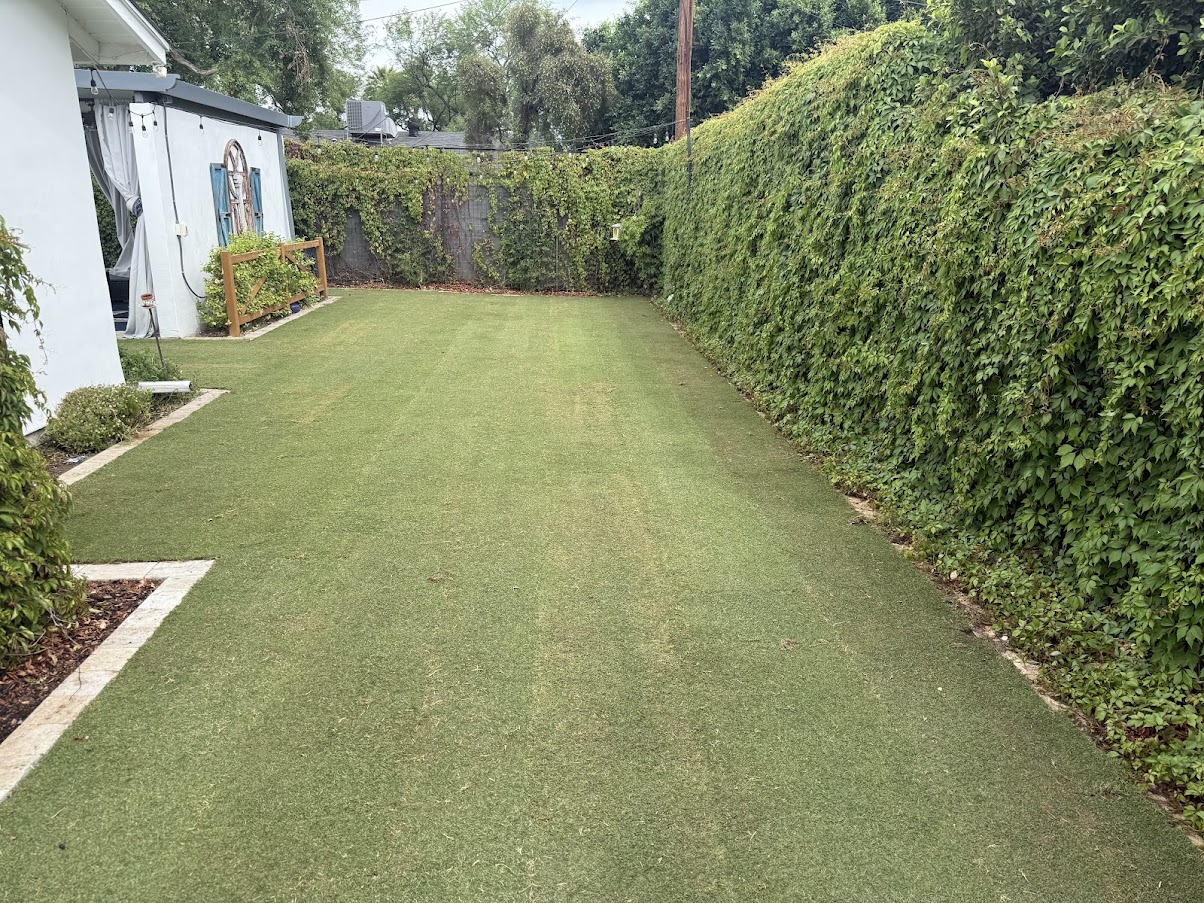
 Starting with the newest variety out of UC Riverside, developed by Dr. Baird, is Coachella Bermudagrass. I want to start with the obvious, it was developed in the desert region of California. Most of the grass produced today comes from the south or east coast so having a west coast variety is a big step. Since it was developed in California you know that water conservation is one of the top characteristics he was looking at when breeding. Coachella Bermudagrass uses 15-25% less water than traditional bermudagrasses like Tifway 419 or Midiron. If you have a cool season lawn such as Tall Fescue it uses 40% less water. As cities reduce water allotments and drought continues, it’s important to use a grass that can survive long periods of lowwater use. What is another way to reduce water usage? How about not overseeding in the fall? Coachella provides excellent winter color retention. While it won’t stay green year-round in all areas, it does significantly close the gap. This past winter it did not go fully dormant as temperatures stayed mild and the color was fantastic. This was not the case for the older varieties as they quickly lost color as we dropped into the 50’s at night. Coachella has a dark blue green color, fine leaf blade making it ideal for golf courses, athletic fields, landscaping, and home lawns. It can be maintained from .300 to over 2 inches. Coachella Bermudagrass has recently been used at The Farm’s Golf Course in Rancho Sante Fe, and at Big Canyon Country Club in Newport Beach.
Download the Coachella spec sheet here: CoachellaBermuda.pdf
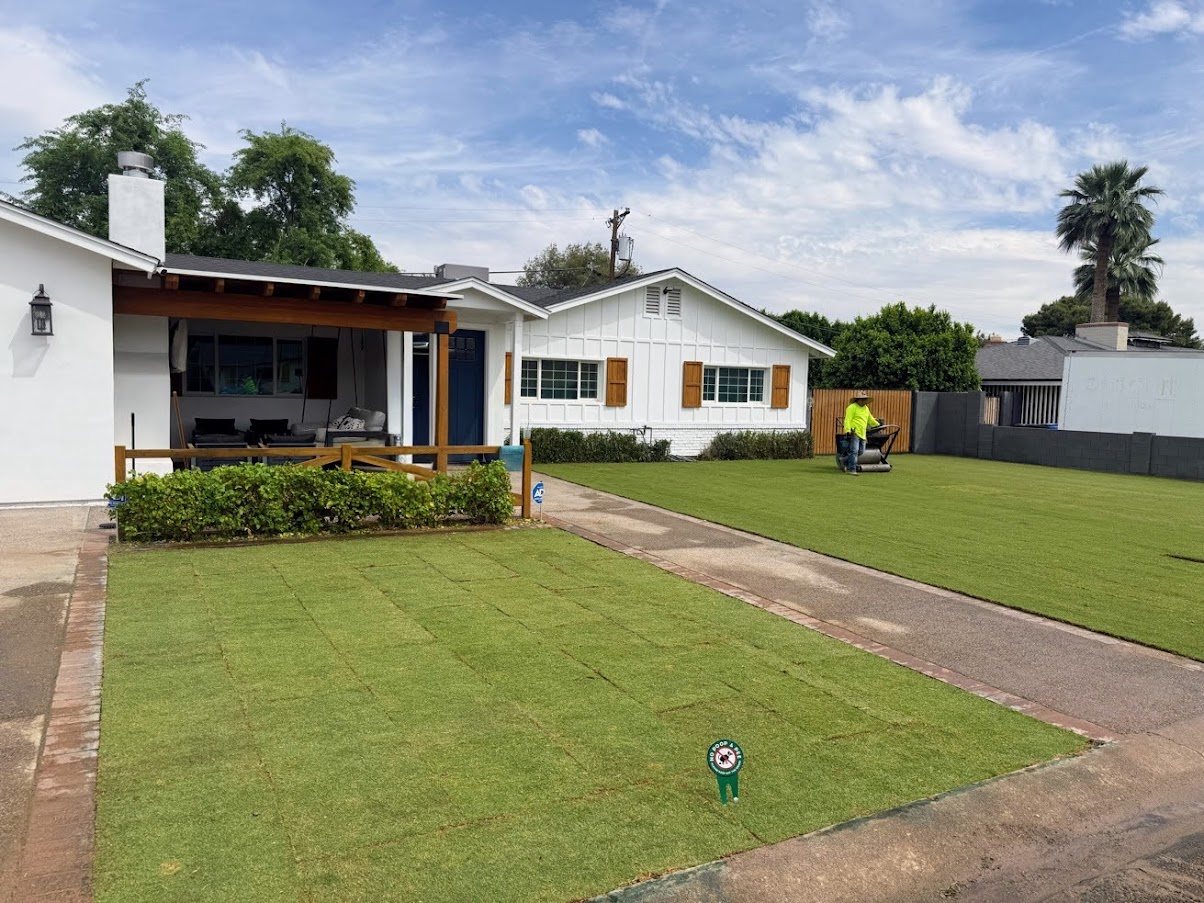
The second grass we will look at is Tahoma 31. Tahoma 31 was developed by Oklahoma State University, and it gets its name from the Native American, Tahoma, which means frozen water. It has the best cold tolerance of any grass on the market allowing it to grow anywhere from Chicago to Phoenix. Tahoma is second is none when it comes to providing a pristine playing surface, golf course fairway or home lawn. With its dark green color, fine leaf texture, and wide range of mowing heights from .125 inches to 2 inches it is one of the best grasses on the market. Similar to Coachella and Tiftuf that we will discuss later, it uses 20% less water than traditional Bermudagrasses. The deep root system, aversion to drought, pest and disease resistance you will find that it can be used in virtually any turfgrass situation. Tahoma is one of the best bermudagrasses for minimal shade but does prefer full sun. Tahoma has been a favorite of professional athletic fields and golf courses for the last few years, and we will continue to see it used more in the future. You can find Tahoma 31 at the City of Scottsdale civic center and sports complex, Dodger Stadium, Salt River Fields, Camelback Ranch, and Desert Mountain Golf Club.
Download the Tahoma 31 spec sheet here: Tahoma 31 Bermuda (1).pdf
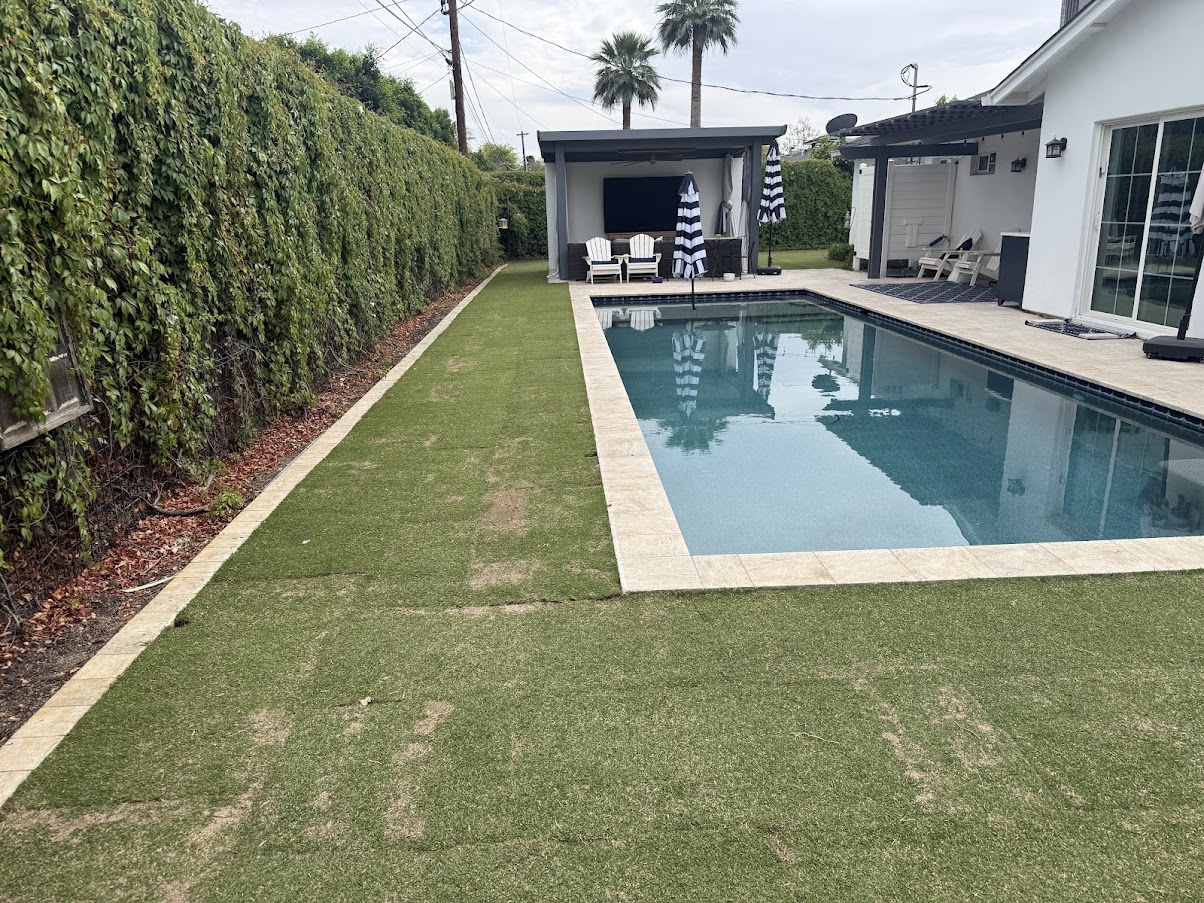 Tiftuf bermudagrass was developed out of the University of Georgia turfgrass with water savings in mind. It was selected for superior drought and wear tolerance with turfgrass quality front of mind. Tiftuf is part of the smart drop certified water savings program and has consistently been shown to use 15-25% less water than Tifway 419 or Midiron. The fine leaf texture and dark green leaf blade are just a couple of the other reasons professionals have chosen to use Tiftuf in new jobs. With its superior late fall color this is another grass that you could forgo overseeding with and reduce the dormancy period to just 2-3 months. This grass tolerates a mowing range between .500 and 2” making it ideal for reel or rotary mowers.
Download the Tiftuf spec sheet here: TifTuf (1).pdf
There is nothing quite like that feeling of watching every person that walks around the neighborhood bend down to touch your lawn to see if it’s real. Now that you have the perfect lawn, all that’s left to do is go shopping for those all white New Balance and watch your friends get green with envy.
Comments Off on Improved Bermudagrasses for Your California and Arizona Climates


